Alcohol and Weight Loss: The Numbers Nobody Mentions
Alcohol and weight loss: how drinks add hidden calories, stall fat loss, and simple swaps to keep enjoying a night out.

You’ve tightened up your meals, you’re walking more, you’re logging most days. The scale barely moves. Then you glance at the weekend and realise: four glasses of wine on Friday, a couple of pints on Saturday, and the Sunday roast washed down with something cold. Nobody warned you that the drinks might be the quiet reason your progress has stalled.
Alcohol doesn’t get talked about enough in weight loss chats, mostly because it’s awkward. But the maths is worth knowing - not to make you feel guilty, just so you can make choices with your eyes open.
Why alcohol is sneaky on the calorie front
Alcohol carries roughly 7 calories per gram. That puts it just behind fat (about 9) and well ahead of both protein and carbohydrate (around 4 each). Those calories bring almost nothing useful with them - no protein to hold onto muscle, no fibre to fill you up, barely any vitamins.
Here’s the rough damage for common drinks:
- Standard glass of wine (175ml): around 120–160 calories
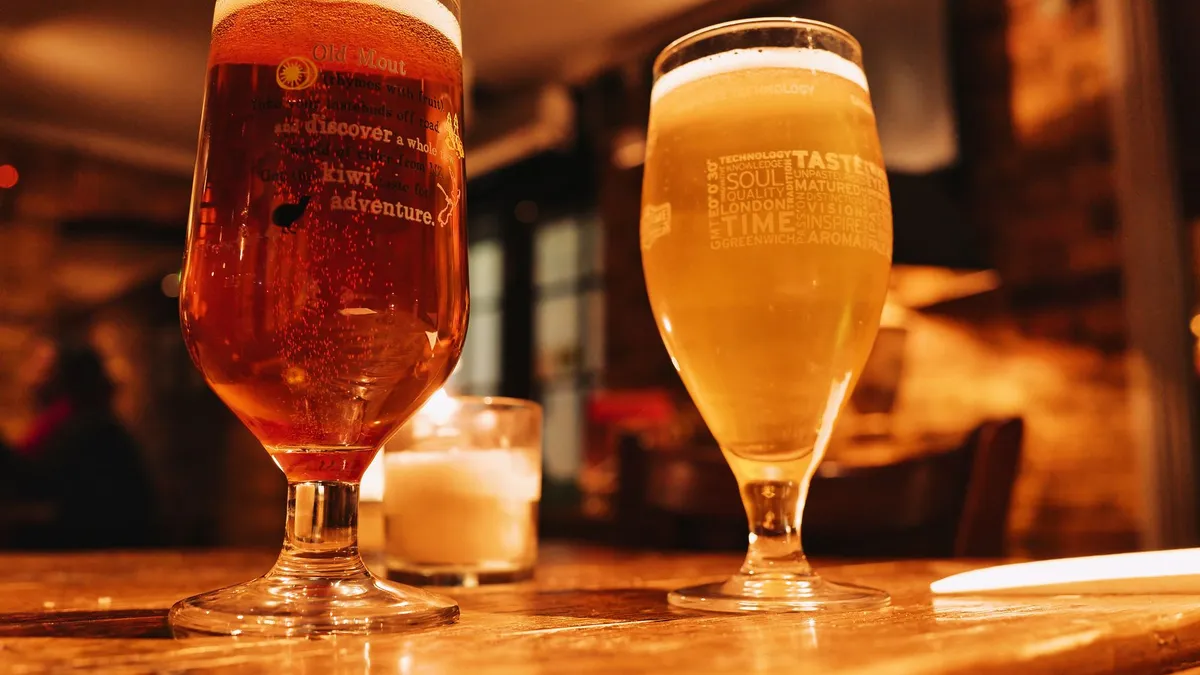
- Pint of lager (5%): around 180–220 calories
- Double gin and tonic: around 120–170 calories, depending on the mixer
- Piña colada or creamy cocktail: 350–500+ calories a glass
- Bottle of beer (330ml): around 130–160 calories
Three large glasses of wine can quietly land near 500 calories. That’s a meal’s worth, and most people don’t log it or even remember it the next day.
A single big night out can easily add hundreds of calories on top of your normal intake - often without you feeling any more full for it.
It’s not just the drink itself
If alcohol only added calories, it would be manageable. The trouble is what happens around it.
Your body prioritises clearing alcohol
When you drink, your liver prioritises clearing the alcohol out of your system because it treats it as a toxin. While that’s happening, your body tends to burn less fat for fuel. It doesn’t stop everything, but the fat you might otherwise have used gets shelved while the alcohol is dealt with first. How much this matters over the long run is debated, but it’s one more factor stacked alongside the calories.
The munchies are real
Drinking tends to lower your restraint and can nudge your appetite up. That’s why chips at midnight or a fry-up the morning after feel so irresistible. Research generally links alcohol with eating more, and usually not the salad. For a lot of people, the food that comes with drinking does more damage than the drinks themselves.
Sleep takes a hit
A nightcap might help you nod off, but alcohol tends to disrupt the deeper, more restorative stages of sleep later in the night. Poor sleep is associated with stronger cravings and bigger appetite the following day, which can make staying on track harder when you’re already tired and a bit hungover.
You don’t have to go teetotal
None of this means alcohol has to disappear for you to lose weight. Plenty of people reach their goals while still enjoying a drink. The point is to spend those calories on purpose rather than by accident.
A few things that genuinely help:
- Set a number before you go out. Deciding on two or three drinks in advance beats winging it once you’re a few in.
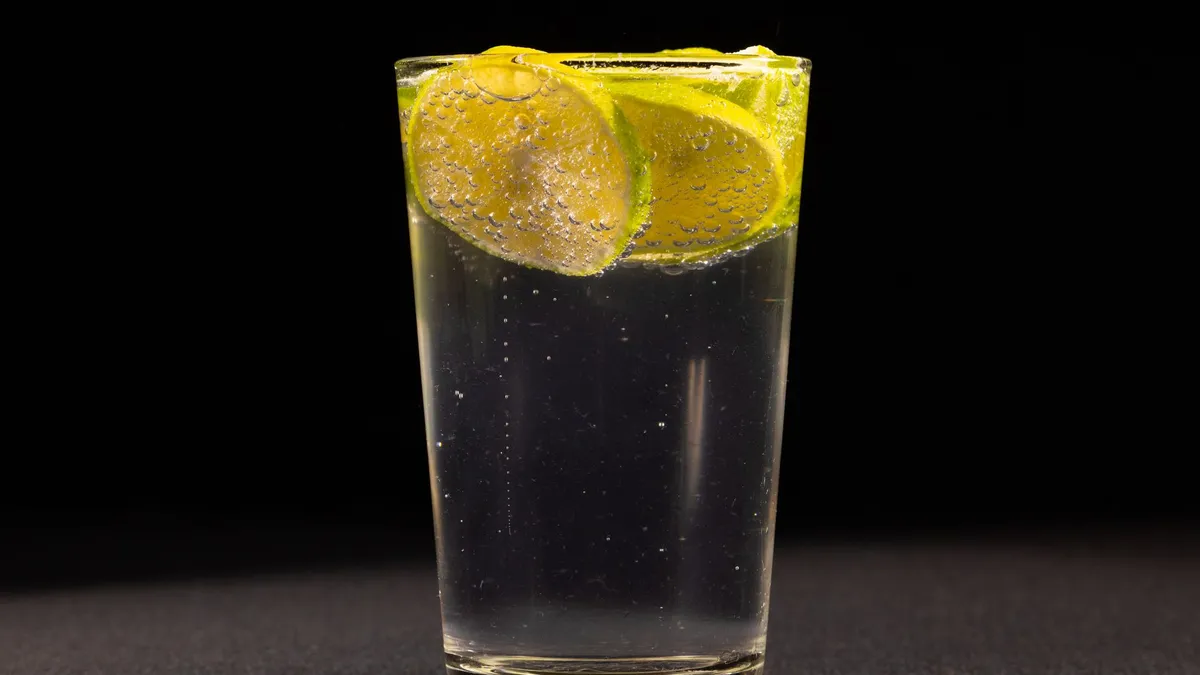
- Pick lower-calorie options. A spirit with soda water, a light beer, or a smaller wine pour saves a surprising amount over an evening.
- Alternate with water. One glass of water between drinks slows you down and helps with the next morning.
- Eat a proper meal first. A meal with protein and fibre beforehand means you’re less likely to demolish the takeaway later.
- Log it honestly. Snapping or tracking your drinks - the same way you would food - keeps them from vanishing into the “I’ll not count that” pile. This is exactly where a tracker earns its keep.
Putting it in perspective
The current UK guidance is to keep to no more than 14 units a week, spread over several days rather than saved up for one session, with several drink-free days ideal. Fourteen units is roughly six pints of average-strength beer or about ten small (125ml) glasses of wine. It’s worth noting the guidance frames 14 units as a way to keep health risks low - there’s no completely “safe” level of drinking - and staying under it happens to be friendlier to your waistline too.
Try thinking of it as a weekly budget. If you know Saturday involves a few drinks, you can trim a little elsewhere and keep your week balanced. What tends to backfire is the unplanned drinking that stacks up without you noticing.
The goal isn’t perfection. It’s awareness. Most people are surprised when they actually see a week of drinks written down next to their food.
The honest takeaway
Alcohol won’t single-handedly ruin your progress, but it’s rarely as harmless as it feels in the moment. Between its own calories, the food it invites, the way it shifts fat burning down the queue, and the dent in your sleep, a couple of heavy nights a week can quietly offset a lot of the effort you put in during the week.
Decide what a drink is worth to you, plan for it, and track it like everything else. That’s usually enough to keep enjoying your social life without wondering why the scale won’t shift.
This is general information, not medical advice. If you’re worried about your drinking or how it affects your health, have a chat with your GP.
Sources
- Alcohol units - NHS
- Calories in alcohol - NHS
- Alcohol: Balancing Risks and Benefits - Harvard T.H. Chan School of Public Health
Track calories the calm way.
AI photo scanning, clean calorie and macro rings, and gentle habits that actually last.