
Tips, science & product updates
Practical nutrition science, honest product updates and simple habits that make calorie tracking stick - from the team building Nutrivo.
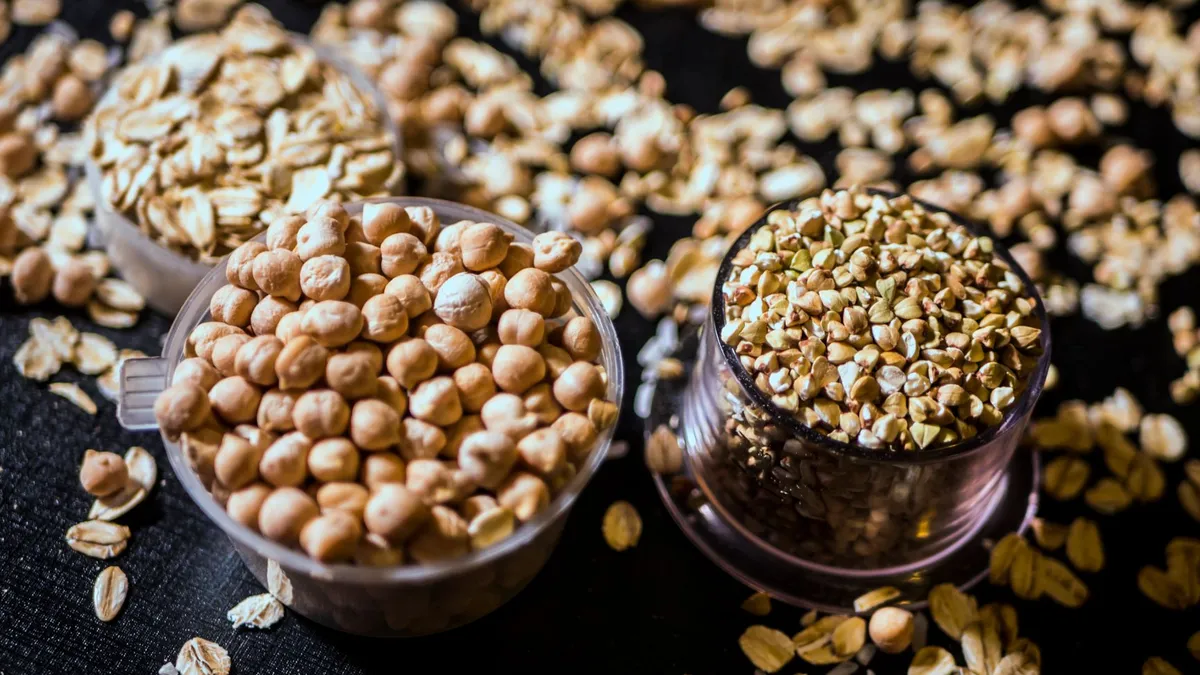
Soluble vs Insoluble Fibre: What's the Difference?
Soluble vs insoluble fibre explained simply: what each type does, which foods give you both, and how to hit the 30g daily target without a fuss.
Read article →
Liquid Calories: The Drinks That Sneak Past Your Diet
Liquid calories from juice, coffee and smoothies add up fast without filling you up. Here's how to spot them and cut back easily.

Grazing Calories: The Bites That Wreck Your Diet
Grazing calories are the untracked bites that quietly kill your deficit. Here is how to spot them and log the truth.

Why You Regain Weight After a Diet (And How to Stop It)
Weight regain after dieting is common and predictable. Here is why your body pushes back - and the practical habits that keep the weight off.
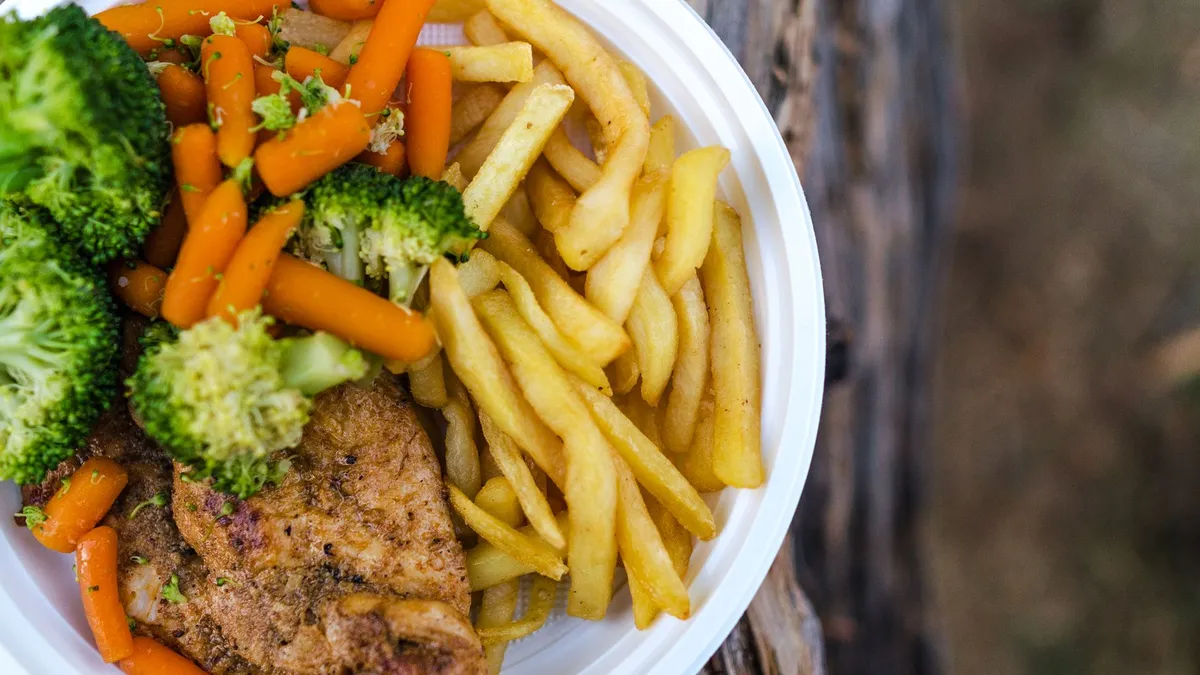
Maintenance Calories: How to Stop Losing and Stay There
Maintenance calories explained: how to work out your number, transition off a diet without rebound, and hold your weight for good.

Gut Health and Weight Loss: The Fibre Link Explained
Gut health quietly shapes hunger and weight loss. Here's how fibre and plants feed your microbiome and make a calorie deficit easier.

The Hunger Hormones: Why Sleep Loss Makes You Overeat
Poor sleep drives up ghrelin and cravings the next day. Here is how sleep loss quietly sabotages your calorie goals, and what to do about it.
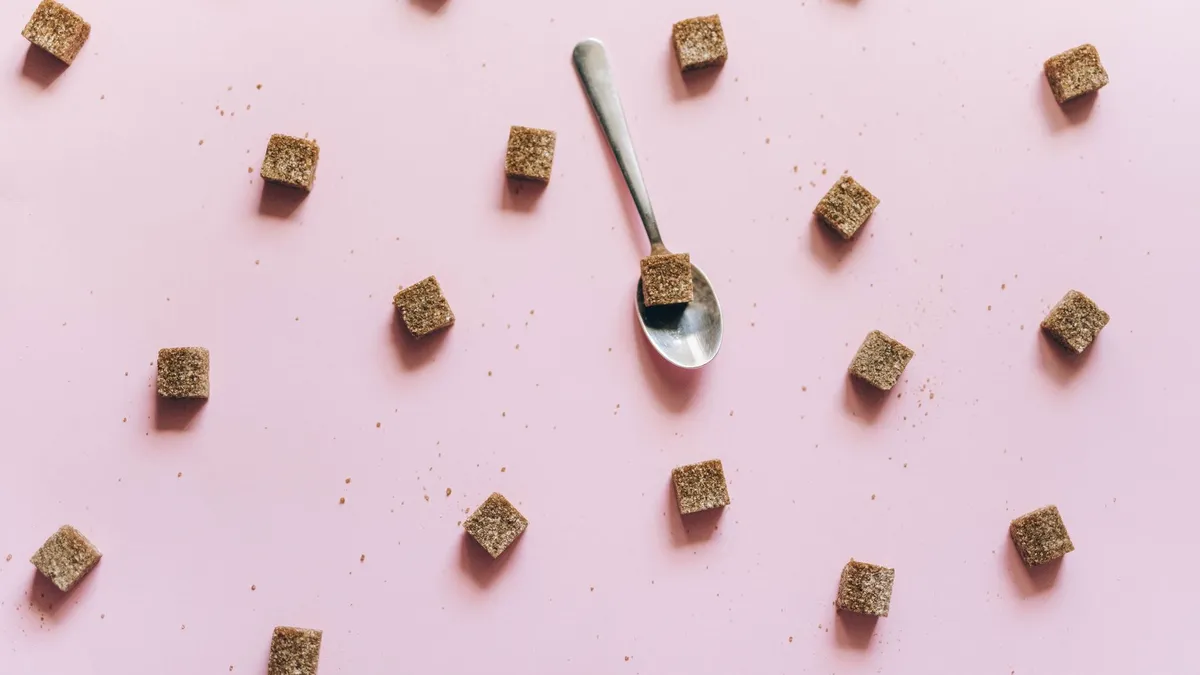
Added Sugar: How to Spot It and Cut Back Without Misery
Added sugar hides in sauces, bread and 'healthy' snacks. Here's how to spot it on labels and cut back without giving up everything you enjoy.

Empty Calories: What They Are and How to Spend Better
Empty calories explained: which foods give you energy but little nutrition, why they leave you hungry, and simple swaps that keep you full.
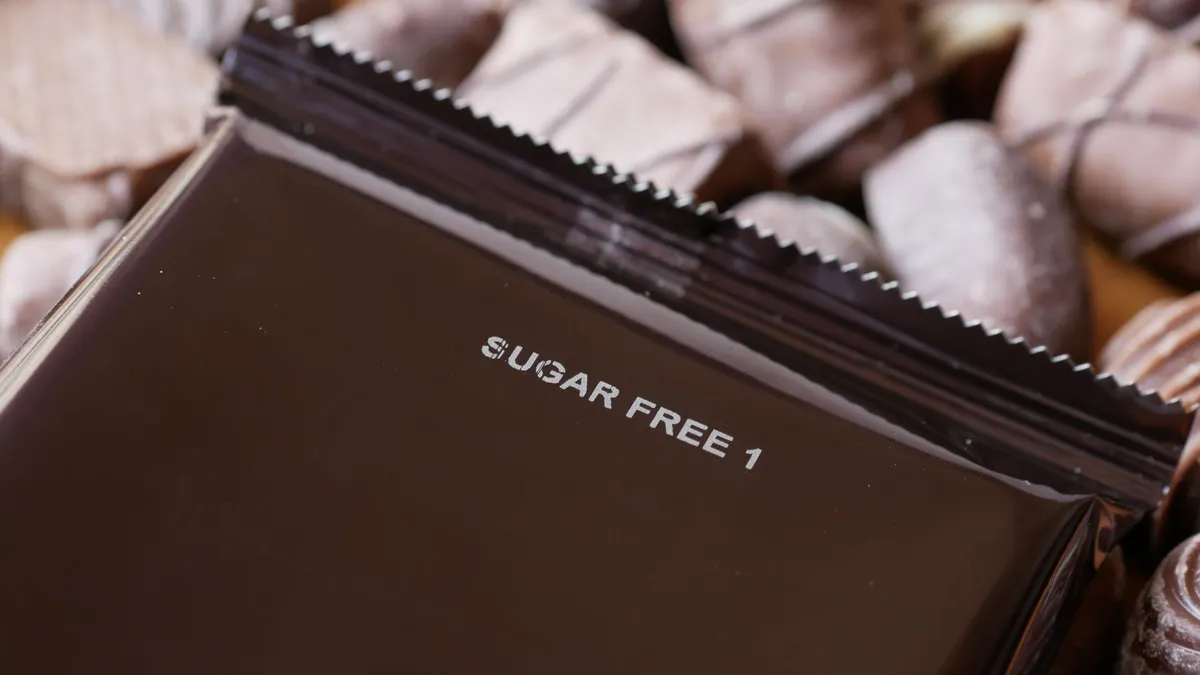
Sugar Alcohols: Why 'Zero Sugar' Snacks Still Bloat You
Sugar alcohols like erythritol and maltitol explained - how they affect calories, blood sugar, and why they cause bloating and digestive upset.
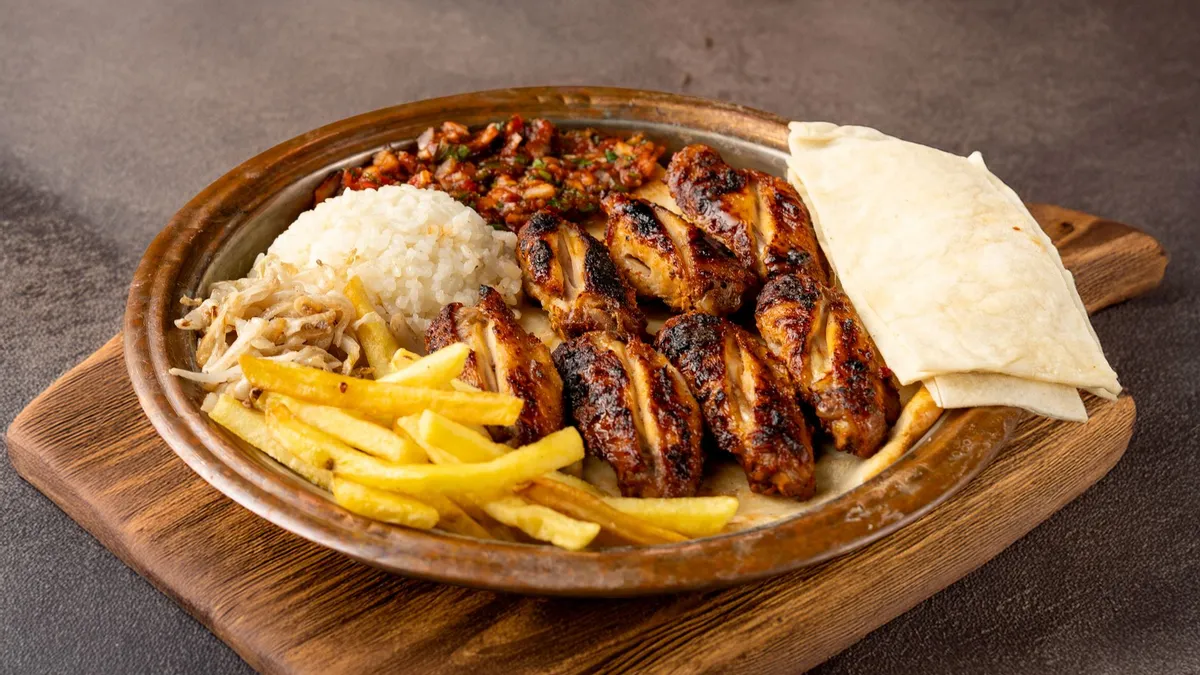
Protein Timing: Does the 30g Per Meal Rule Matter?
Protein timing myths, the truth about the 30g per meal rule, and how to spread protein across the day for muscle and appetite.

Energy Density: Eat More Food, Fewer Calories
Energy density explained: how to eat bigger portions, feel fuller, and cut calories without weighing every gram. Simple food swaps that work.

NEAT: The Hidden Calorie Burn That Fades in a Diet
NEAT is the calorie burn from daily movement like fidgeting and walking. Here's why it quietly drops when you diet and how to keep it up.
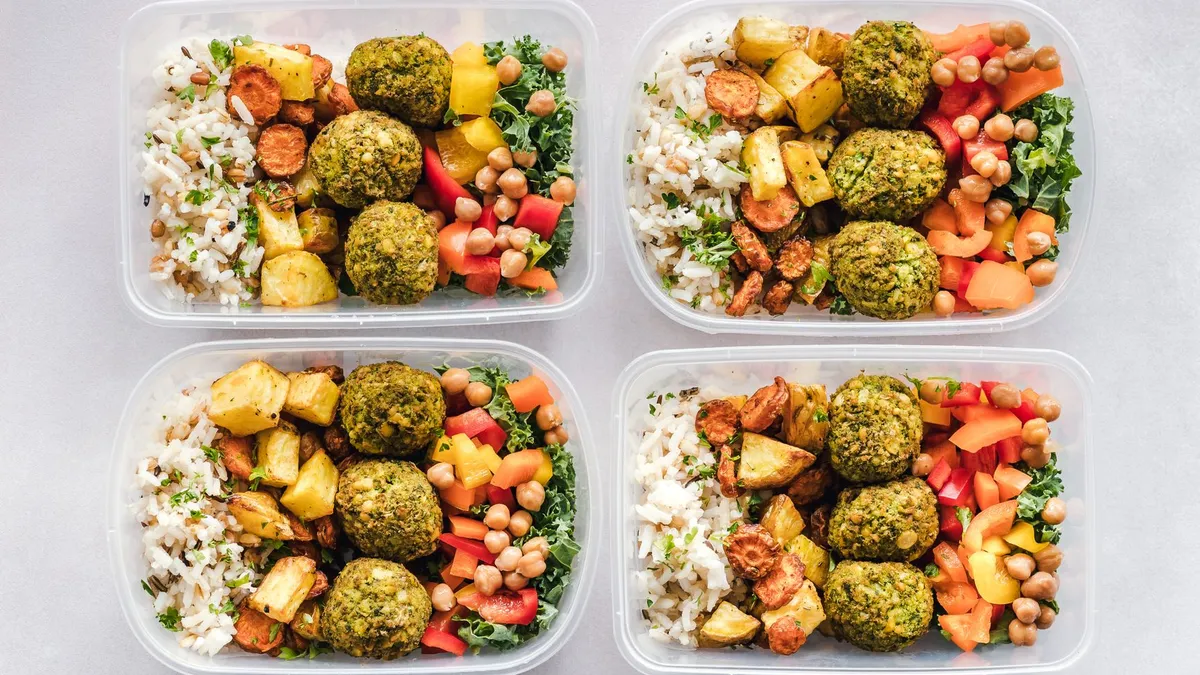
Calorie Cycling: Eat More Some Days, Less on Others
Calorie cycling means eating more on some days and less on others while hitting the same weekly total. Here is how it works and who it suits.

The Protein Leverage Effect: Why Low Protein Makes You Overeat
Protein leverage explains why low-protein diets make you overeat. Learn how to hit your protein target and stop the snacking spiral for good.
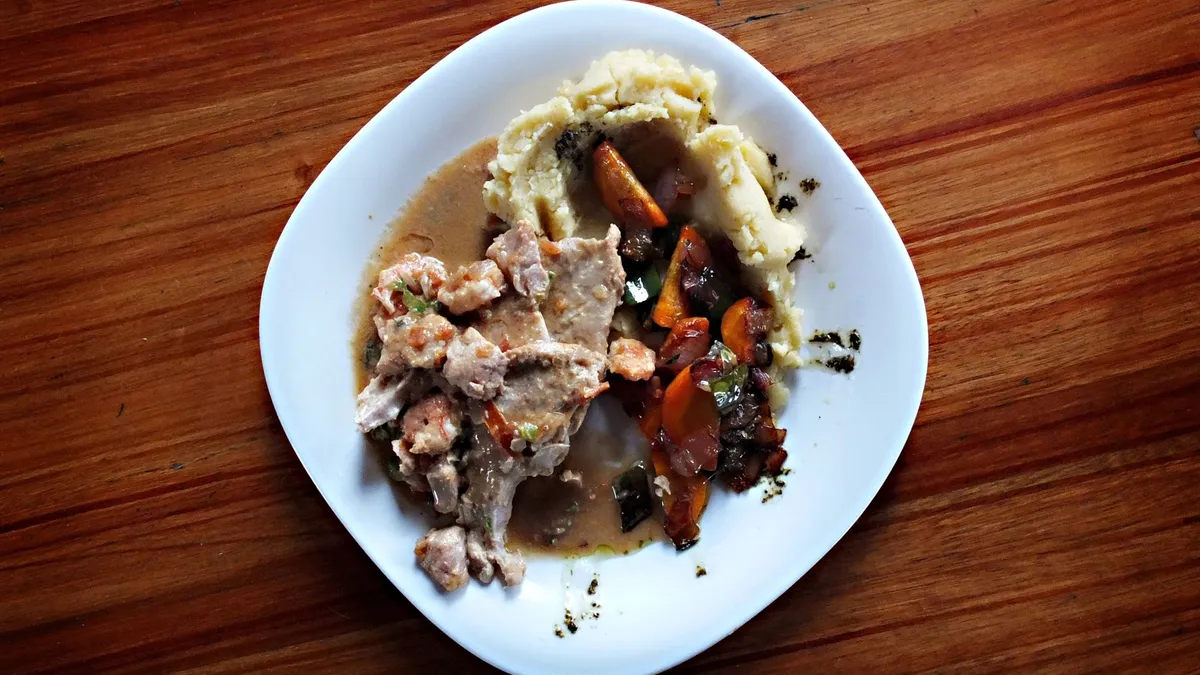
Calorie Deficit: How It Actually Works for Fat Loss
A calorie deficit is the one rule behind every diet. Here's how to set yours, hit it consistently, and avoid the mistakes that stall progress.

Hunger vs Appetite: How to Tell the Difference
Learn to tell real hunger from appetite so you eat when your body needs food, not just when a craving hits - with simple checks that actually work.
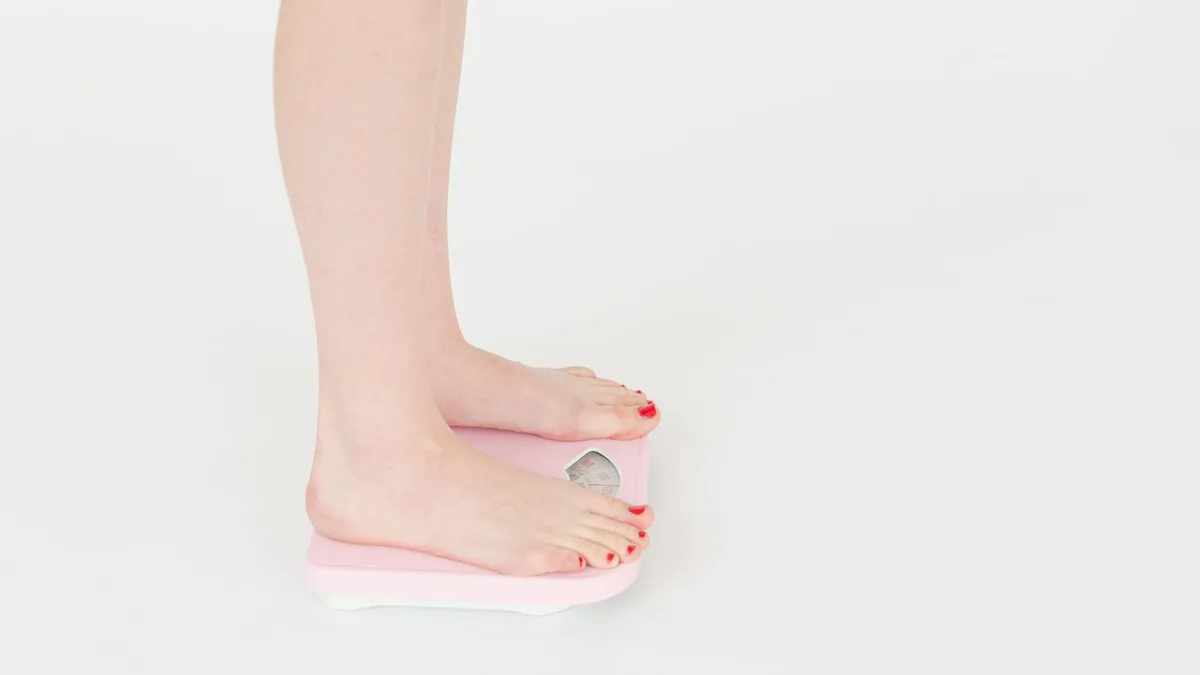
Water Weight: Why You Gain 2kg Overnight (And Why It's Fine)
Water weight can swing your scale 1-2kg in a day. Here's what causes it, why it isn't fat, and how to read your true progress.