Water Weight: Why You Gain 2kg Overnight (And Why It's Fine)
Water weight can swing your scale 1-2kg in a day. Here's what causes it, why it isn't fat, and how to read your true progress.
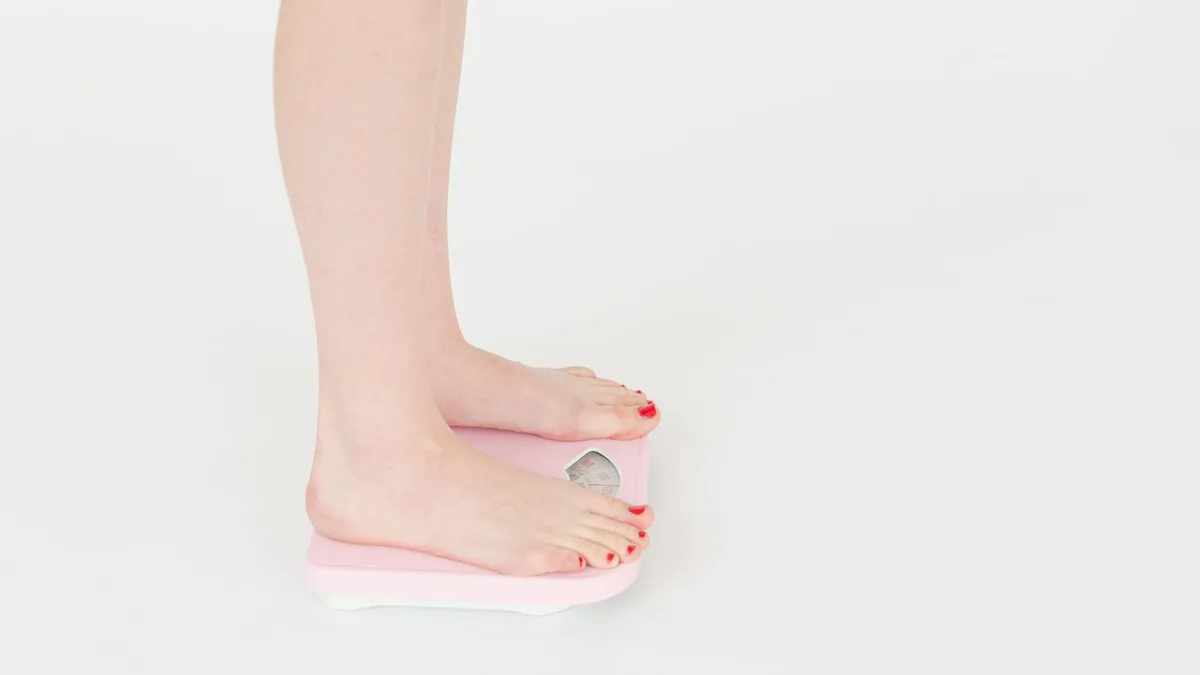
You did everything right. You stayed in a deficit, walked 9,000 steps, drank your water. Then you stepped on the scale the next morning and it was up 1.4kg. It feels like a betrayal, and it makes plenty of people quit before their plan ever had a chance.
Here’s the reassuring bit: you did not gain 1.4kg of fat overnight. That’s essentially impossible unless you ate an enormous surplus. What moved was almost certainly water. Your body holds and releases fluid constantly, and those daily swings can easily mask weeks of genuine fat loss if you don’t know what you’re looking at.
What “water weight” actually is
Roughly 50-60% of your body is water. That amount isn’t fixed - it shifts with what you eat, your hormones, your activity, and even the weather. A litre of water weighs 1kg, so it doesn’t take much fluid movement to nudge the number under your feet by a kilo or two.
The key point: water weight is not fat. Storing a kilo of body fat requires a large calorie surplus, on the order of several thousand calories above maintenance. Most overnight “gains” happen after a normal or even light day, which tells you straight away it isn’t fat.
The usual suspects behind a sudden jump
Most morning spikes trace back to one or more of these:
- Salt. A takeaway, some crisps, or a restaurant meal comes loaded with sodium. Your body tends to hold onto extra water to keep its sodium concentration balanced. The extra fluid can show up within a day or so.
- Carbs. Your body stores carbohydrate as glycogen in your muscles and liver, and glycogen is stored along with a fair amount of water (research generally cites roughly 3 grams of water per gram of glycogen, though estimates vary). Refill your glycogen after a low-carb day or a big pasta dinner, and you’ll carry more water with it.
- A hard workout. Unfamiliar or intense exercise can cause minor muscle damage and inflammation, and your body sends fluid to those tissues as part of repair. Oddly, the day or two after a good gym session is often when the scale is highest.
- Hormones. Many women retain noticeably more water at certain points in the menstrual cycle, often in the days before a period. A swing of around a kilo or so across a cycle is common and generally nothing to worry about.
- Not enough sleep or lots of stress. Both can raise cortisol, which is thought to encourage the body to hold onto sodium and water.
The scale measures your relationship with gravity, not your progress. Fat loss is real and steady underneath; water is the noise sitting on top of the signal.
Why this trips people up
The problem isn’t the water. It’s that we weigh once, treat that single number as the truth, and let it set the mood for the day. If your true fat loss is around 0.3-0.5kg a week but your daily water swings are a kilo in either direction, any single weigh-in is basically useless. You could be down a little fat and still see the scale rise, purely because yesterday was salty.
This is where trends beat snapshots. One data point is weather; the direction over a few weeks is climate.
How to read your real progress
You don’t need to fear the scale - you just need better habits around it.
- Weigh under the same conditions. First thing in the morning, after the loo, before food or drink, minimal clothing. This strips out most of the day-to-day variables.
- Weigh most days and watch the average. A weekly average smooths out the water noise far better than any single reading. Comparing this week’s average to last week’s is where the honest story lives.
- Zoom out to 2-4 weeks. Real fat loss tends to show up as a downward staircase with plenty of flat bits and small bumps, not a clean line.
- Use more than one measure. Waist measurements, how your clothes fit, progress photos, and your gym numbers all tell you things the scale can’t. Logging your food also helps you see whether a jump lines up with a salty or high-carb day.
- Expect the plateaus and drops. People holding a lot of water sometimes see the scale stall for a week, then drop noticeably. That’s often water finally releasing, not a sudden fat-loss miracle.
When it isn’t just water
Everyday fluctuations are normal. But persistent, unexplained swelling is worth taking seriously. If you notice puffiness in your ankles, feet, or face that doesn’t settle, sudden rapid weight gain over a few days, or shortness of breath, see a GP or seek prompt medical attention - fluid retention like that can point to something medical rather than last night’s dinner.
This is general information, not medical advice. If something feels off, check with a qualified professional.
The takeaway
A kilo up overnight almost never means a kilo of fat. It usually means salt, carbs, a workout, or your hormones doing exactly what bodies do. Weigh yourself in a consistent way, follow the weekly average instead of the daily drama, and give the trend three or four weeks to speak. Do that and the scale stops being a source of panic and starts being what it should be - one useful signal among several.
Sources
- Water and Healthier Drinks - CDC
- Salt: the facts - NHS
Track calories the calm way.
AI photo scanning, clean calorie and macro rings, and gentle habits that actually last.