
Why You Regain Weight After a Diet (And How to Stop It)
Weight regain after dieting is common and predictable. Here is why your body pushes back - and the practical habits that keep the weight off.

You lost the weight. Maybe 8kg over four months, maybe more. The jeans fit again. And then, quietly, the numbers on the scale started creeping back - half a kilo here, a kilo there - until one morning you were almost back where you started. If that story sounds familiar, you are not weak and you did not fail. You ran into biology that almost everyone runs into.
The uncomfortable truth is that losing weight and keeping it off are two different projects. Most diet advice covers the first and goes silent on the second. So let us talk about what actually happens after the diet ends, and what to do about it.
Your body fights to get the weight back
When you lose a meaningful amount of fat, your body tends to respond on several fronts at once. This isn’t a character flaw. It reflects a survival system that likely helped our ancestors through periods of scarcity.
A few things shift:
- Your metabolism can drop more than expected. A smaller body burns fewer calories, which is obvious. But research on people who have lost weight suggests the drop is sometimes larger than body size alone predicts, an effect often called adaptive thermogenesis. The size and persistence of this effect vary between people and studies.
- Hunger hormones can shift. Levels of ghrelin (which stimulates appetite) tend to rise, while leptin and other fullness signals fall. Many people feel hungrier even on fewer calories.
- NEAT quietly falls. Non-exercise activity - fidgeting, everyday steps, general movement - often declines without you noticing, which can add up over a day.
Add these together and you get a body that tends to want more food and burn less of it - right at the moment you relax the rules. The gap is easy to fill without realising.
Regaining weight after a diet is a very common outcome. Planning for the fight-back is one of the biggest things that separates people who keep it off from people who ride the yo-yo.

Why “going back to normal” backfires
Most people diet by doing something temporary: cutting out a food group, skipping meals, following a plan with an end date. It works, because almost any calorie deficit works for a while. The problem is the word “temporary.”
The day the diet ends, you go back to the eating that made you gain weight in the first place - except now your appetite may be louder and your burn lower. That combination is a big reason the last few kilos can come back fastest.
The fix isn’t a stricter diet. It’s building an eating pattern you can actually run for years, not weeks.
What actually keeps the weight off
The good news: people do keep weight off, and the habits they share are boring, repeatable, and learnable. Here’s what the evidence and real-world experience generally point to.
1. Keep tracking, at least loosely
You don’t need to weigh every grape forever. But people who maintain weight loss tend to stay aware of what they eat, especially in the first year or two. Logging your meals a few days a week can be enough to catch the slow drift before it becomes several kilos. A quick photo log or a rough tally keeps you honest without turning food into a spreadsheet.
2. Protect your protein and fibre
Both tend to help you feel full on fewer calories, which is useful for a hungrier post-diet body. Aim for a source of protein and some vegetables or wholegrains at most meals. This tends to do more for real-world appetite than any willpower hack.
3. Keep moving, and keep the muscle
Resistance training helps preserve the muscle you have, and more muscle can modestly support your metabolism. Daily movement - walking, cycling, standing more - props up the everyday activity that tends to sag after a diet. You don’t need a gym membership. You need steps you’ll actually take.
4. Weigh yourself regularly
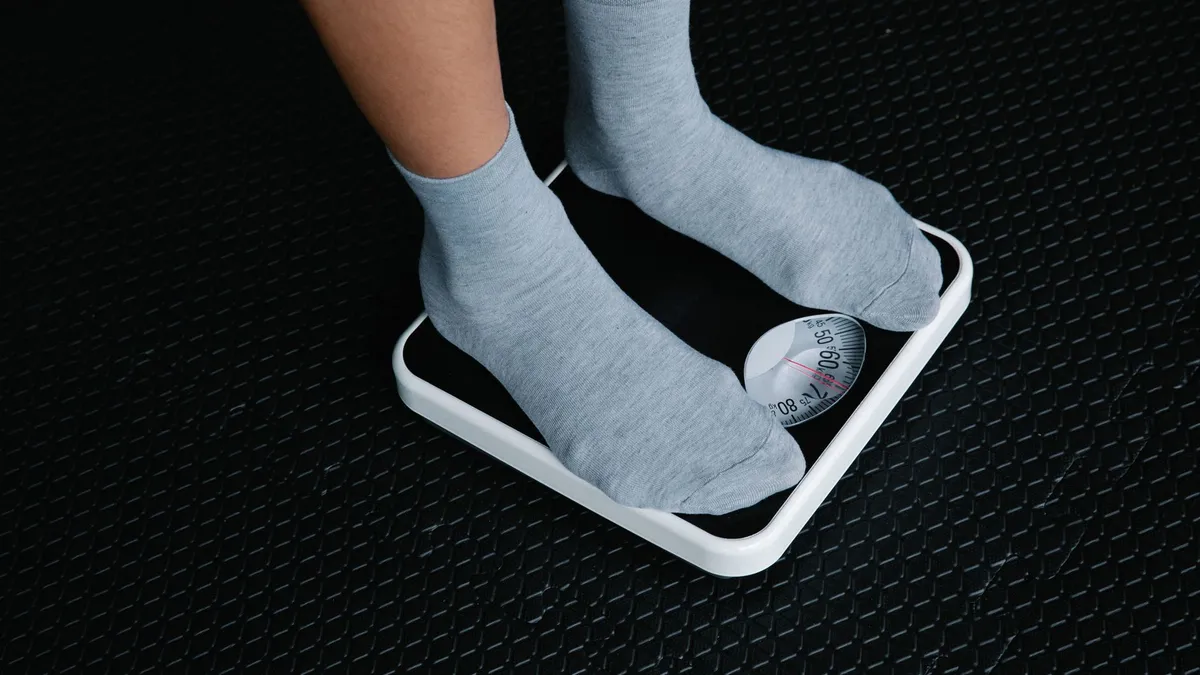
Stepping on the scale once or twice a week isn’t obsessive for many people - for maintainers, it can act as an early-warning system. A three-kilo bounce is generally easier to reverse than a fifteen-kilo one. Watch the weekly trend, not the daily wobble, since day-to-day swings are mostly water. (If regular weighing feeds anxiety or disordered patterns for you, other check-ins like how clothes fit may suit you better.)
5. Set a “red line” and act on it
Pick a weight - say, 3kg above your goal - that triggers action. When you cross it, you tighten up for a couple of weeks rather than waiting for things to spiral. Having a plan removes the panic.
A realistic maintenance mindset
Maintenance feels strange at first because there’s no finish line and no dramatic progress to celebrate. That’s the point. The wins are quiet: the weight that stays gone, the clothes that keep fitting, the fact you’re not restarting every January.
Here’s a simple way to think about it:
- Eat mostly the same things you ate while losing, with a bit more room.
- Expect your appetite to run higher for a while - that’s common, not failure.
- Use the scale and your food log as feedback, not judgement.
- Treat a small regain as information, not a catastrophe.
One more thing worth saying plainly: the fact that your body pushes back does not mean maintenance is impossible. It means it tends to take attention rather than heroics. The people who keep weight off aren’t necessarily more disciplined by nature - many have just built a few systems that catch the drift early.
This article is for general information and isn’t medical advice. If you have a health condition, take medication that affects weight or appetite, or have a history of disordered eating, talk to a GP or a registered dietitian before making changes.
Sources
- How to lose weight - NHS
- Calories and weight loss - NHS
Track calories the calm way.
AI photo scanning, clean calorie and macro rings, and gentle habits that actually last.