Added Sugar: How to Spot It and Cut Back Without Misery
Added sugar hides in sauces, bread and 'healthy' snacks. Here's how to spot it on labels and cut back without giving up everything you enjoy.
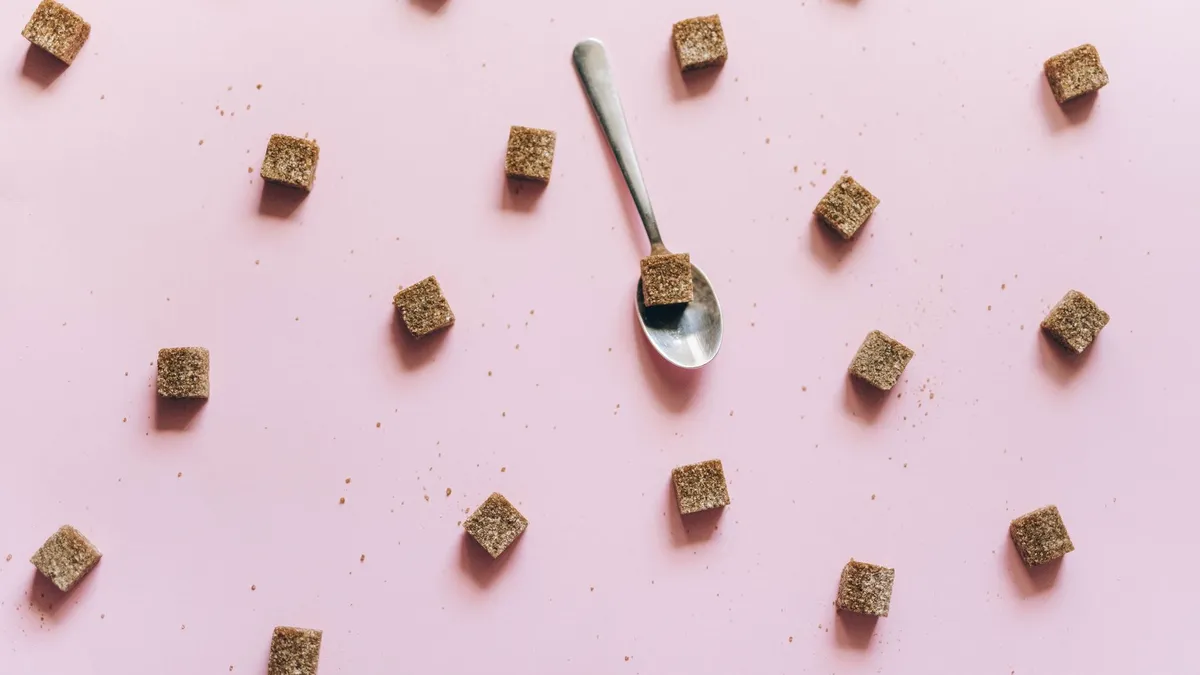
Most people picture a sugar problem as biscuits, fizzy drinks and dessert. Those count. But the sneakier stuff is the added sugar sitting in things that don’t even taste sweet: a shop-bought pasta sauce, a “healthy” granola, a supermarket loaf, the marinade on your chicken. That’s where the extra spoonfuls pile up without you noticing.
The good news is you don’t need to swear off sugar forever or treat a birthday cake like a moral failure. You just need to know where it hides and make a few swaps that stick. Let’s sort out what actually matters.
Added sugar vs natural sugar
Not all sugar is the problem. The sugar naturally in a whole apple or a glass of milk comes bundled with fibre, water, protein and vitamins, which slows everything down and helps fill you up.
Added sugar is different. It’s the sugar put into food during processing or cooking - table sugar, honey, syrups, fruit juice concentrate. It delivers calories with little else attached, and it’s very easy to eat a lot of it fast.
Health bodies focus on this “free sugar” category for a reason. The NHS recommends adults have no more than about 30g of free sugar a day, which is roughly seven teaspoons. A single can of regular cola can blow past that on its own.
A quick gut check: if the sweetness was added by a manufacturer or by you, it counts as free sugar. If it came inside whole fruit or plain dairy, it mostly doesn’t. (Note that the free-sugar category also includes sugars in honey, syrups and unsweetened fruit juice.)

Where added sugar actually hides
Sweet foods are obvious. The problem is the savoury and “wholesome” stuff that flies under the radar. Watch these:
- Sauces and condiments - ketchup, BBQ sauce, sweet chilli, many pasta sauces and stir-fry jars
- Breakfast cereals and granola - even ones marketed as high-fibre or “natural”
- Flavoured yoghurt - a single pot can carry 15-20g of total sugar, much of it added
- Bread and wraps - especially soft, packaged supermarket loaves
- “Healthy” snack bars - date-and-syrup based bars are still sugar-dense
- Drinks - fruit juice, smoothies, flavoured coffees, energy drinks, “vitamin” waters
None of these are banned. The point is that several of them across a day can quietly add up before you’ve touched anything you’d call a treat.
How to read the label in 10 seconds
The ingredients list and the nutrition panel tell you a lot, once you know the trick.
- Check “Carbohydrate - of which sugars” on the panel. This is total sugars, so on a plain yoghurt or milk some of it is natural. On a biscuit or sauce, most of it is usually added.
- Scan the ingredients for sugar’s aliases. Ingredients are listed by weight, so if any sweetener sits near the top, there’s likely a fair amount of it. Common names to look for: sucrose, glucose syrup, glucose-fructose syrup, dextrose, maltose, fruit juice concentrate, honey, agave, molasses, invert sugar.
- Watch for the “split” trick. Some products list several different sugars so no single one lands high in the list, even though together they might add up to more.
A rough guide behind many UK front-of-pack labels: more than 22.5g of total sugar per 100g is “high”, and 5g or less per 100g is “low”. Handy for a five-second comparison between two jars on the shelf.
Cutting back without feeling deprived
Cutting everything at once often backfires. A gradual, swap-based approach is more likely to last for many people. Try these:
- Fix your drinks first. This is one of the biggest levers for most people. Swap juice and fizzy drinks for water, sparkling water or unsweetened tea. If you take sugar in tea or coffee, try dropping it by half a teaspoon each week.
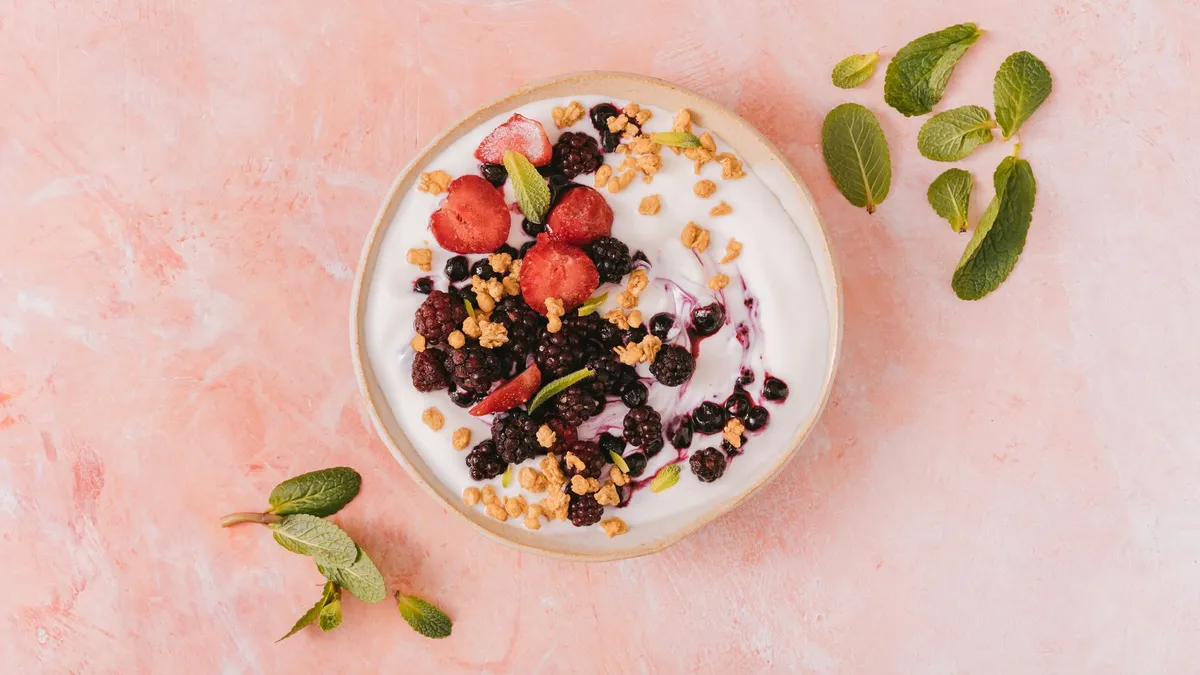
- Buy plain, sweeten yourself. Get natural yoghurt and add your own berries or a small drizzle of honey. You’ll typically use a fraction of what the manufacturer would.
- Downgrade slowly. Move from milk chocolate to darker, from sugary cereal to a plainer base with fruit on top. For many people the palate adjusts within a couple of weeks.
- Don’t ban treats - schedule them. A planned dessert you genuinely enjoy beats grazing on mediocre sugar all day and feeling guilty about it.
- Add protein and fibre. Meals built around protein, veg and whole grains help keep you full and can blunt the mid-afternoon “I need something sweet” slump.
The real advantage of tracking is visibility. When you log a day and see that your “healthy” granola, flavoured latte and pasta sauce added up to more sugar than you expected before dinner, you stop guessing. That’s often the moment habits change - not from willpower, but from finally seeing the pattern.
What to expect when you cut back
Give it a few weeks. Early on you might notice more cravings, especially mid-afternoon, because your routine expects that hit. For many people that fades. People often report steadier energy, fewer crashes, and that very sweet things start tasting almost too sweet, though individual experiences vary.
You don’t need zero sugar. Aim for less of the hidden, pointless kind so you can enjoy the sugar that’s actually worth it.
This is general information, not medical advice. If you have diabetes or another condition affecting blood sugar, check changes with your GP or a registered dietitian.
Sources
- Sugar: the facts - NHS
- Guideline: Sugars intake for adults and children - WHO
- Added Sugar in the Diet - Harvard T.H. Chan School of Public Health
Track calories the calm way.
AI photo scanning, clean calorie and macro rings, and gentle habits that actually last.