Sugar Alcohols: Why 'Zero Sugar' Snacks Still Bloat You
Sugar alcohols like erythritol and maltitol explained - how they affect calories, blood sugar, and why they cause bloating and digestive upset.
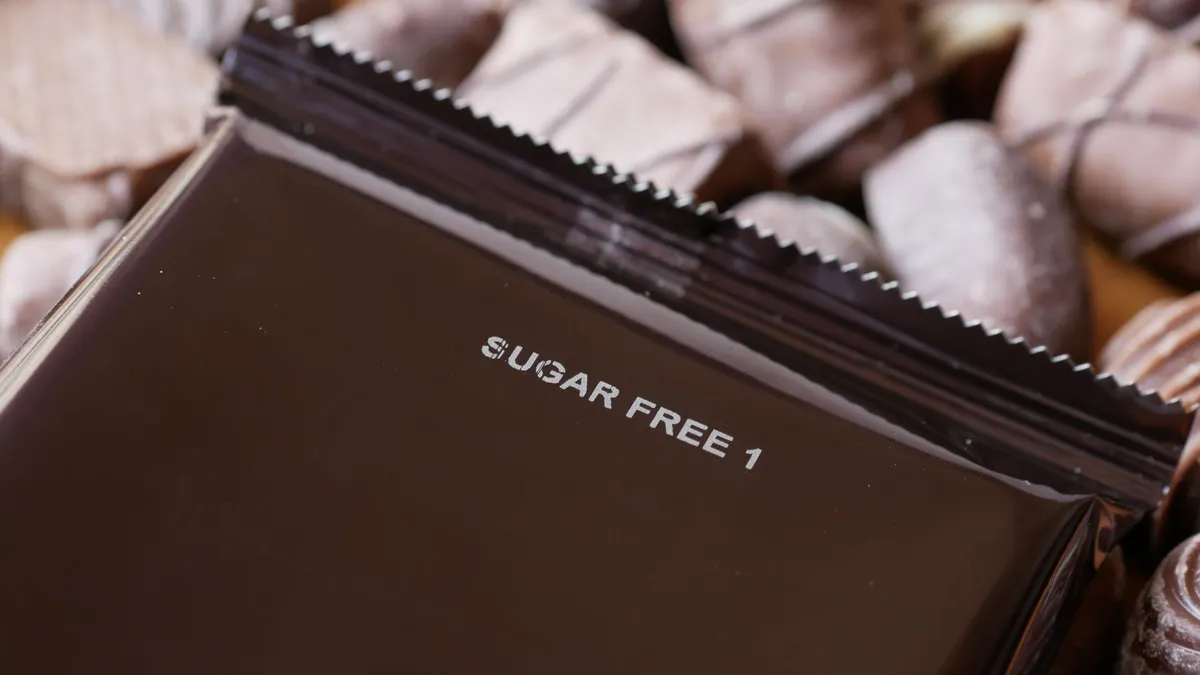
You buy the “zero sugar” chocolate bar. The label says 2g sugar, 200 calories, and you feel smug about it. A few hours later your stomach is doing something unspeakable and you have no idea why. Welcome to the strange world of sugar alcohols - the sweeteners hiding in many “keto”, “no sugar added”, and “protein” snacks on the shelf.
They’re not sugar, and they’re not the same as the essentially zero-calorie sweeteners like aspartame or sucralose. They sit in an awkward middle ground, and if you track your food, they can quietly throw your numbers off while wrecking your afternoon.
What sugar alcohols actually are
Sugar alcohols (the technical name is polyols) are carbohydrates that taste sweet but are only partly absorbed by your body. They’re neither fully sugar nor fully calorie-free. You’ll spot them on labels by their names, most of which end in “-ol”:
- Erythritol - very low calorie, mostly passes through undigested
- Xylitol - common in sugar-free gum and mints
- Maltitol - the big one, found in a lot of sugar-free chocolate
- Sorbitol - in sugar-free sweets and some medicines
- Isomalt - often in hard sweets
Some occur naturally in small amounts in fruit and vegetables. But the quantities packed into a “sugar-free” chocolate bar are generally far higher than anything you’d get from a piece of fruit.

The calorie catch nobody reads
Here’s where tracking gets messy. Manufacturers often advertise low “net carbs” by subtracting sugar alcohols from the total. But sugar alcohols are not zero calories, and they vary quite a bit:
- Erythritol is close to 0.2 calories per gram - genuinely almost nothing
- Maltitol is usually estimated at roughly 2–3 calories per gram, more than half the roughly 4 calories in normal sugar
- Xylitol and sorbitol sit around 2.4–2.6 calories per gram
So a bar sweetened with maltitol carrying 20g of sugar alcohols might quietly contain 40–60 calories the front label glosses over. Not a disaster, but if you’re eating these daily and trusting the “net carb” maths, it can add up.
A quick rule of thumb: erythritol you can basically ignore. Maltitol you should count as roughly half the calories of sugar. When in doubt, log the full label calories rather than the “net” number.
This is exactly the kind of thing that trips people up in a food diary. Scanning the actual nutrition panel - total calories, not just the marketing claim - keeps your daily total honest.
Why they bloat you
The reason your stomach rebels comes down to how these are digested, or rather, how they aren’t. Because sugar alcohols are only partially absorbed in the small intestine, the leftovers travel down to your large intestine. There, two things happen: they pull water into the gut, and your gut bacteria ferment them. The result can be gas, cramping, bloating, and for a lot of people, an urgent trip to the loo.
Maltitol and sorbitol tend to be among the worst offenders. Erythritol is usually the gentlest, because your body absorbs most of it before it reaches the colon, which is part of why you’ll see it in more “premium” low-sugar products.
In the UK and EU, foods containing more than a set threshold of polyols must carry the warning: “excessive consumption may produce laxative effects.” That’s not marketing caution - it’s a genuine, well-documented reaction.
How much is too much?
Everyone’s tolerance differs, but research generally suggests digestive trouble often starts once you go past roughly 10–20g of the more fermentable types in one sitting, with sorbitol in particular sometimes causing symptoms at lower amounts. A single “sugar-free” chocolate bar can already contain 20–30g. Eat two while binge-watching something and you may have overshot badly.
Do they help with blood sugar and weight?
This is the fair part. Sugar alcohols generally have a smaller effect on blood glucose than regular sugar, which can be genuinely useful for people managing diabetes. Erythritol in particular has close to no impact on blood sugar or insulin. And swapping sugary snacks for lower-calorie versions may help cut overall intake for some people.
But they’re not a free pass. A “sugar-free” biscuit is still a processed snack, often with plenty of fat and calories. Replacing sugar with a polyol doesn’t magically make a treat healthy - it just changes one variable.
There’s also an ongoing conversation in the research world about erythritol and cardiovascular health, with some observational studies raising questions. This is not settled, cause and effect hasn’t been established, but it’s a reminder that “sugar-free” doesn’t automatically mean “consume without limit.”
A practical way to handle them
You don’t need to ban these. You just need to use them with your eyes open:
- Read the panel, not the front. Find the total calories and the “of which polyols” line under carbohydrates.
- Log full calories in your tracker, especially for maltitol-based products, rather than trusting net-carb claims.
- Start small. If you’re new to sugar-free sweets, try a few squares before committing to a whole bar. Your gut needs to know its limits.
- Watch the gum. Sugar-free gum and mints add up fast - a handful can be enough sorbitol to cause problems for some people.
- Prefer erythritol if you want a gentler option on digestion and blood sugar.
The honest takeaway: sugar alcohols are a decent tool, not a loophole. They can lower the sugar and calories in a snack, but they carry real calories, real digestive baggage, and a label designed to make them look better than they are.
This article is general information, not medical advice. If you have diabetes, IBS, or ongoing digestive issues, check with your GP or a registered dietitian before leaning on these products. Note: xylitol is highly toxic to dogs, so keep xylitol-containing products away from pets.
Sources
- Sugar: the facts - NHS
- Eat well - NHS
Track calories the calm way.
AI photo scanning, clean calorie and macro rings, and gentle habits that actually last.