
Energy Density: Eat More Food, Fewer Calories
Energy density explained: how to eat bigger portions, feel fuller, and cut calories without weighing every gram. Simple food swaps that work.
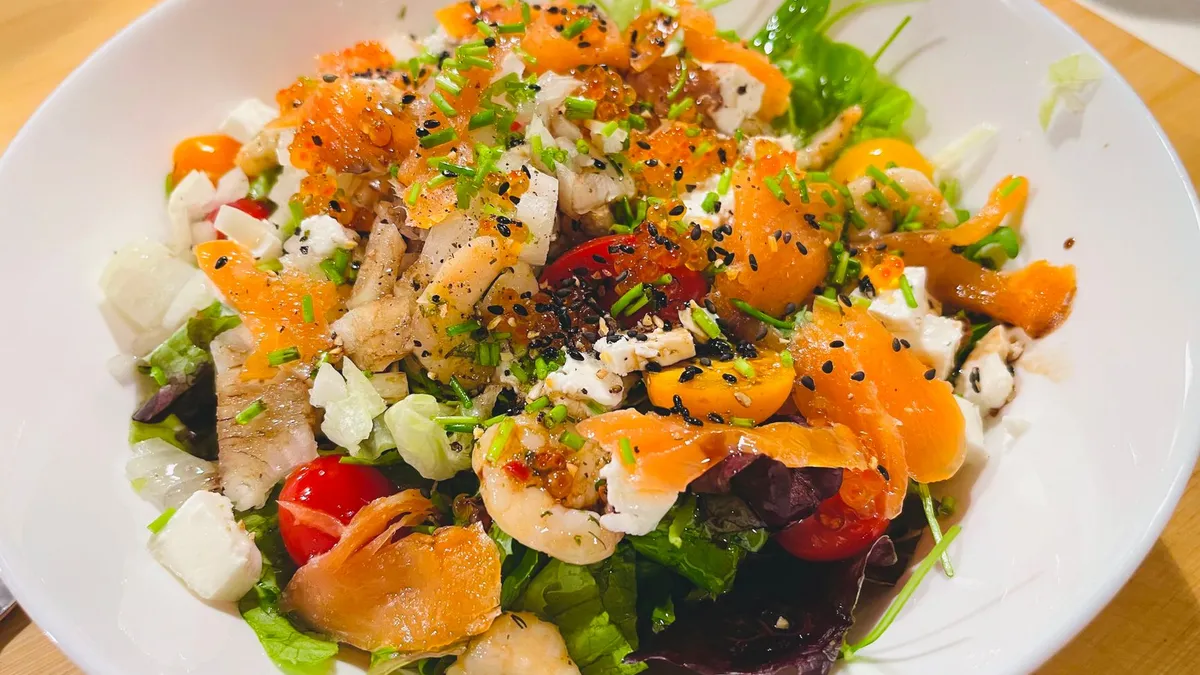
Some foods take up half your plate, keep you full for hours, and barely move your calorie total for the day. Others vanish in three bites and leave you hunting the cupboard twenty minutes later. The difference has a name: energy density. Once you understand it, you can eat more food, feel fuller, and still stay in a deficit - without weighing every gram.
This is the single idea that makes calorie control feel less like deprivation and more like a swap. Let’s break it down.
What energy density actually means
Energy density is simply the number of calories in a given weight of food, usually measured per gram. A food that packs a lot of calories into a small weight is energy-dense. A food with few calories for its weight is energy-light.
The biggest driver is water. Water adds weight and volume but zero calories, so foods that hold a lot of it - vegetables, fruit, broth-based soups, cooked grains - tend to be low in energy density. Fat is the opposite: at roughly 9 calories per gram, it more than doubles the calorie hit of protein or carbs (about 4 per gram each). Fibre also helps by adding bulk with very little energy.
Here is a rough scale, in calories per gram:
- Very low (under 0.6): most vegetables, broth soups, strawberries, cucumber
- Low (0.6 to 1.5): cooked oats, bananas, cooked pasta, lean chicken breast, low-fat yoghurt
- Medium (1.5 to 4): bread, hummus, dried fruit, cheese, grilled steak
- High (over 4): crisps, biscuits, chocolate, nuts, oils, butter

Why it matters for hunger and weight
Research on eating behaviour generally finds that people tend to eat a fairly consistent weight or volume of food each day, not a consistent number of calories. Give someone a big plate of low energy density food and they tend to feel satisfied on fewer calories. Studies from researchers such as Barbara Rolls at Penn State have shown that when the energy density of meals is reduced, people tend to eat a similar volume but take in fewer calories overall, often without reporting more hunger.
That is the whole trick. You are not trying to eat less food. You are trying to eat food that weighs more per calorie.
Fill your stomach, not your calorie budget. A 300-calorie bowl of vegetable and lentil soup will likely keep you fuller for longer than a 300-calorie handful of crisps, even though the number is identical.
This also explains why “just eat less” can be such unhelpful advice on its own. Cutting portion sizes of energy-dense food can leave you hungry and cranky. Swapping toward lower-density food lets your appetite do more of the work for you.
The practical swaps that add up
You don’t need to overhaul your diet. A few daily changes can shift your average energy density and quietly reduce calorie intake.
- Bulk out mince dishes with veg. Add grated carrot, mushrooms or lentils to a bolognese. Similar volume on the plate, fewer calories.
- Start meals with soup or salad. A broth-based starter can reduce how much you eat at the main course.
- Swap the base, keep the topping. Load a jacket potato instead of chips; the potato is far less energy-dense than the fried version.
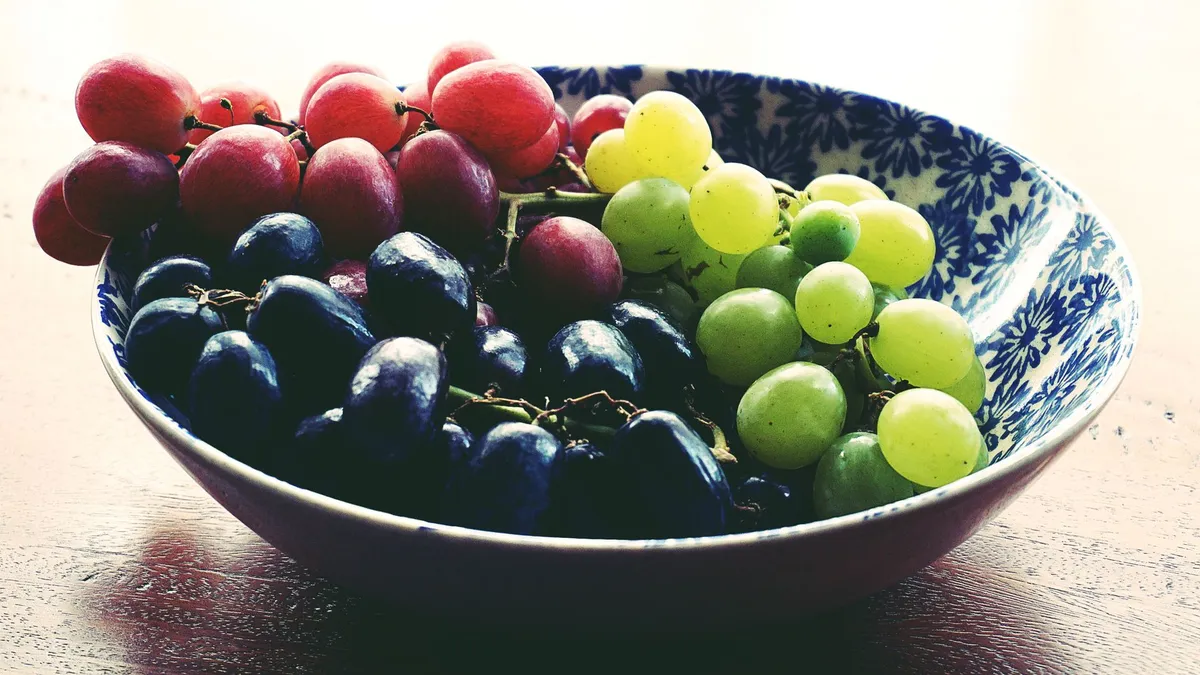
- Choose whole fruit over dried. Fresh grapes are mostly water; raisins are the same fruit with the water removed, so they pack more calories per bite.
- Watch the invisible oils. A tablespoon of oil is around 120 calories. Roasting veg? Use just a teaspoon and a spray, or steam and season after.
A quick before-and-after lunch
Same idea, two versions:
- Higher density: a cheese-and-mayo sandwich plus crisps - roughly 650 calories, and you’re peckish by 3pm.
- Lower density: a big chicken salad with plenty of veg, a slice of wholegrain bread, and an apple - around 450 calories, and you stay full to dinner.
Same eating time, similar satisfaction, roughly 200 calories saved. Do that most days and it can add up over a month.
Where energy density can trip you up
Low energy density is a tool, not a religion. A few caveats keep it sensible.
- Energy-dense does not mean bad. Nuts, olive oil and oily fish are calorie-dense and genuinely good for you in moderation. The point is portion awareness, not avoidance.
- Protein still matters. Building meals only from vegetables can leave you short on protein, which is another key factor for fullness. Pair volume with a solid protein source.
- Liquid calories can dodge the system. Juice, smoothies and lattes are low in density by weight but tend to slip past your fullness signals, so they may not fill you up the way solid food does.
If you track your food, this is where a calorie and macro tracker earns its place. Log a few typical days and you’ll spot which foods cost you the most calories for the least fullness. Photograph a meal, check the number, and start making swaps based on what you actually eat rather than guesswork.
The takeaway
You can eat more food on your plate while managing your weight - it just has to be the right kind of food. Anchor meals around vegetables, fruit, lean protein and water-rich carbs, treat the calorie-dense stuff as a smaller supporting act, and let volume help keep you full.
This is general information, not medical advice. If you have a health condition or a history of disordered eating, talk to your GP or a registered dietitian before changing how you eat.
Sources
- Water-rich foods and energy density - Harvard T.H. Chan School of Public Health
- Fat: the facts - NHS
Track calories the calm way.
AI photo scanning, clean calorie and macro rings, and gentle habits that actually last.