The Protein Leverage Effect: Why Low Protein Makes You Overeat
Protein leverage explains why low-protein diets make you overeat. Learn how to hit your protein target and stop the snacking spiral for good.
You sit down to a big bowl of pasta, feel full, and then two hours later you’re rummaging through the cupboard for biscuits. It’s not weakness. There’s a decent chance your body was still hunting for one specific thing your meal didn’t deliver: protein.
This idea has a name. It’s called the protein leverage hypothesis, and once you understand it, a lot of your snacking may start to make sense.
What protein leverage actually means
The theory, developed by researchers Stephen Simpson and David Raubenheimer, is simple to state. The hypothesis proposes that appetite is more tightly regulated for protein than for carbs or fat. The idea is that your body has a rough protein target it tends to prioritise, and it will keep you eating until you get there.
The catch is that many convenient, moreish foods are low in protein and high in everything else. Crisps, pastries, chips, white bread, chocolate. So the hypothesis suggests that if your meals are protein-poor, you may end up eating more total food, and more total calories, in order to reach the protein amount your body is quietly demanding.
In other words, protein “leverages” your overall intake. Dilute the protein in your diet and, according to this theory, you tend to eat more of everything else to compensate.
Think of it like this: if your body is aiming for a certain amount of protein a day and your meals are low in protein, you may have to eat a larger volume of food to get there. Raise the protein proportion of those meals and the target could arrive sooner, potentially with fewer total calories.

The evidence, kept honest
A number of controlled feeding studies have pointed in the same direction. When people are given meals with a lower percentage of protein, research generally finds they tend to eat more total calories. When the protein percentage goes up, total intake tends to drop, consistent with the idea that an appetite “brake” kicks in sooner. It’s worth noting the hypothesis is still debated, and not every study supports it, so treat it as a useful lens rather than settled fact.
This lines up with a fairly well-supported observation: protein tends to be the most filling of the three macronutrients. Research generally finds it is more satiating per calorie than carbs or fat, partly because it triggers stronger fullness signals and takes more energy to digest.
None of this means carbs and fat are villains. It suggests protein is the nutrient your appetite may watch most closely, so it can be a sensible lever to pull first.
How much protein you’re probably missing
Most people aren’t short of protein overall, but plenty sit at the low end at particular times, especially at breakfast and in snacks. A slice of toast with jam, a banana, a milky coffee: that’s a fairly low-protein start to the day.
General guidance to aim for:
- The reference intake for adults sits around 0.75g of protein per kg of bodyweight per day, according to UK guidance. This is a population reference rather than a strict personal target.
- If you’re actively losing weight or doing regular strength training, many experts suggest more, often in the region of 1.2 to 2.0g per kg, to help protect muscle and manage hunger.
- Spreading it out may help. Roughly 25–35g per meal is a practical target many find useful, rather than loading it all into dinner.
For an 80kg person aiming to lose fat, that might mean something like 100–130g a day. That’s very doable, but usually only if you plan for it rather than hope it turns up.
Simple ways to raise the protein percentage
You don’t need shakes and chicken breast at every meal. You mostly need to nudge the ratio.
- Fix breakfast first. Swap jam on toast for eggs, Greek yoghurt, or skyr with berries. This is the meal where protein is most often missing.
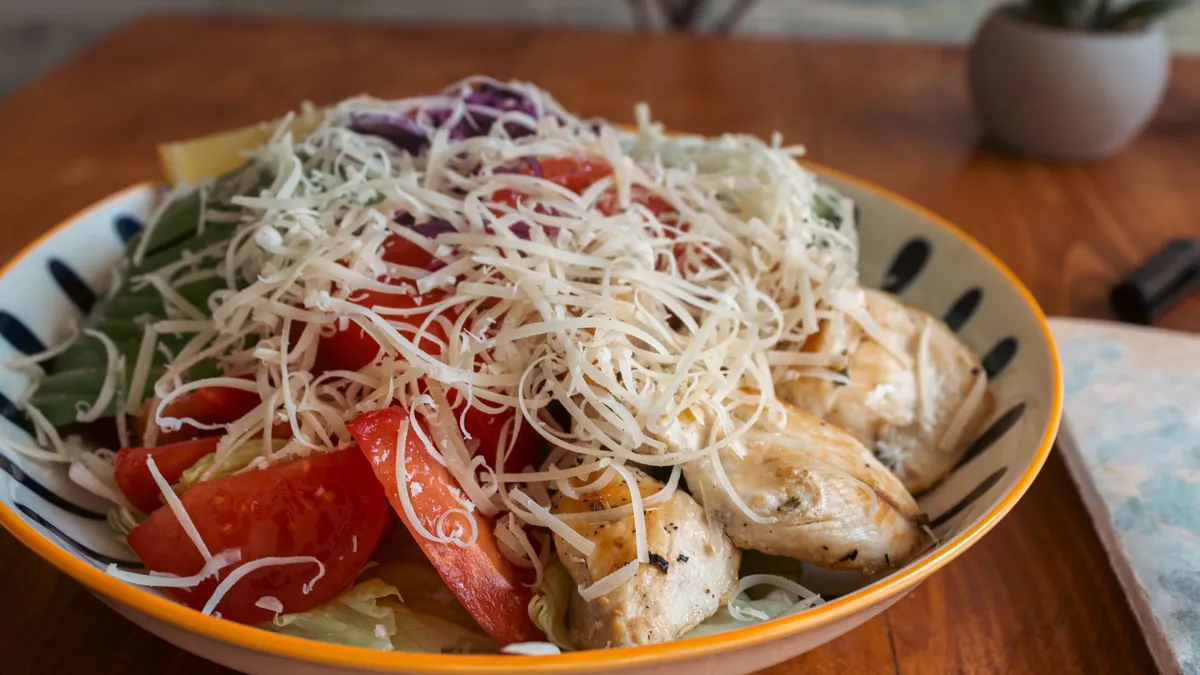
- Anchor every plate. Build meals around a protein source first, then add carbs and veg. Chicken, fish, tofu, beans, lentils, eggs, dairy.
- Upgrade your snacks. A handful of crisps gives you almost no protein. A small tub of cottage cheese, some edamame, a boiled egg, or a protein-rich yoghurt keeps the leverage working for you.
- Add, don’t just remove. Stir lentils into a Bolognese, throw chickpeas into a salad, add a scoop of Greek yoghurt to a curry.
- Watch liquid calories. Juices and fancy coffees can add calories with little protein and less fullness, which is exactly the dilution effect you’re trying to avoid.

Where a tracker earns its place
Here’s the honest problem: you can’t really feel a protein percentage. You feel full or not full, and that signal can arrive too late to stop the biscuit raid.
Logging your food for even a week can show you the pattern in black and white. Many people are surprised to see how carb- and fat-heavy their day looks once it’s written down, and how little protein sneaks into snacks. Once you can see the ratio, you can adjust it. Scanning a meal photo to get a quick protein estimate takes the friction out of checking, though bear in mind such estimates are approximate.
You’re not aiming for perfection. You’re aiming to stop eating a second dinner’s worth of calories just to chase a protein target you might have hit at lunch.
A quick note
This is general information, not medical advice. If you have kidney disease, are pregnant, or have any condition affecting how much protein you should eat, check with your GP or a registered dietitian before making big changes.
Protein leverage won’t explain every craving. But if you’re always a little bit hungry, always circling back to the snack cupboard, the fix is sometimes less about willpower and more about protein. Pull that lever, and the rest of the plate may start to sort itself out.
Sources
Track calories the calm way.
AI photo scanning, clean calorie and macro rings, and gentle habits that actually last.