Soluble vs Insoluble Fibre: What's the Difference?
Soluble vs insoluble fibre explained simply: what each type does, which foods give you both, and how to hit the 30g daily target without a fuss.
Most people know fibre is “good for you” and leave it there. But there are two main kinds, they do different jobs in your body, and getting both is what keeps your digestion steady, your appetite in check, and your heart a little happier.
Here is the thing almost nobody mentions: the average adult in the UK eats around 18-20g of fibre a day, and the recommendation is about 30g. That gap matters, and closing it is one of the more worthwhile nutrition tweaks you could make. So let’s sort out what soluble and insoluble fibre actually are, and how to close that gap without turning every meal into a chore.
The simple version
Both types are plant carbohydrates your body can’t fully digest. That’s much of the point - they pass through you doing useful work instead of being fully absorbed for energy. The difference is what they do on the way through.
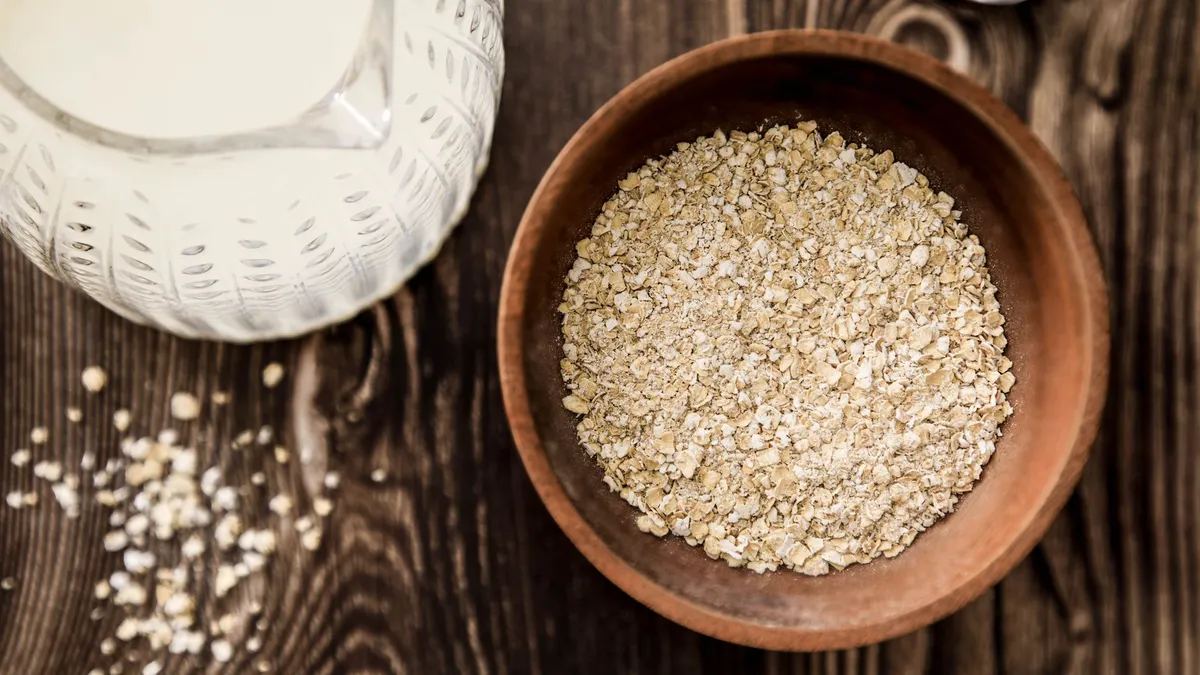
- Soluble fibre dissolves in water and forms a thick, gel-like substance in your gut. Think of oats cooking into porridge - that gloopy texture is soluble fibre in action.
- Insoluble fibre does not dissolve. It stays largely intact, adds bulk to your stool, and helps things move along. Think of the stringy, fibrous feel of celery or the skin on a jacket potato.
You need both. Most fibre-rich foods contain a mix, just in different ratios.
What soluble fibre does for you
Soluble fibre is the one that tends to get the health headlines, and for good reason.
Because it forms a gel, it can slow down how quickly food leaves your stomach. That tends to mean a gentler rise in blood sugar after a meal and a longer feeling of fullness. If you’ve noticed that a bowl of porridge keeps you going until lunch while a croissant leaves you rummaging for a snack by mid-morning, soluble fibre is likely part of why.
It can also help with cholesterol. The gel binds to cholesterol-rich bile acids in your gut and carries some of them out, which research generally finds can nudge LDL (“bad”) cholesterol down modestly over time. The NHS and heart health bodies often point to oats and beans here.
Good sources of soluble fibre:
- Oats and oat bran
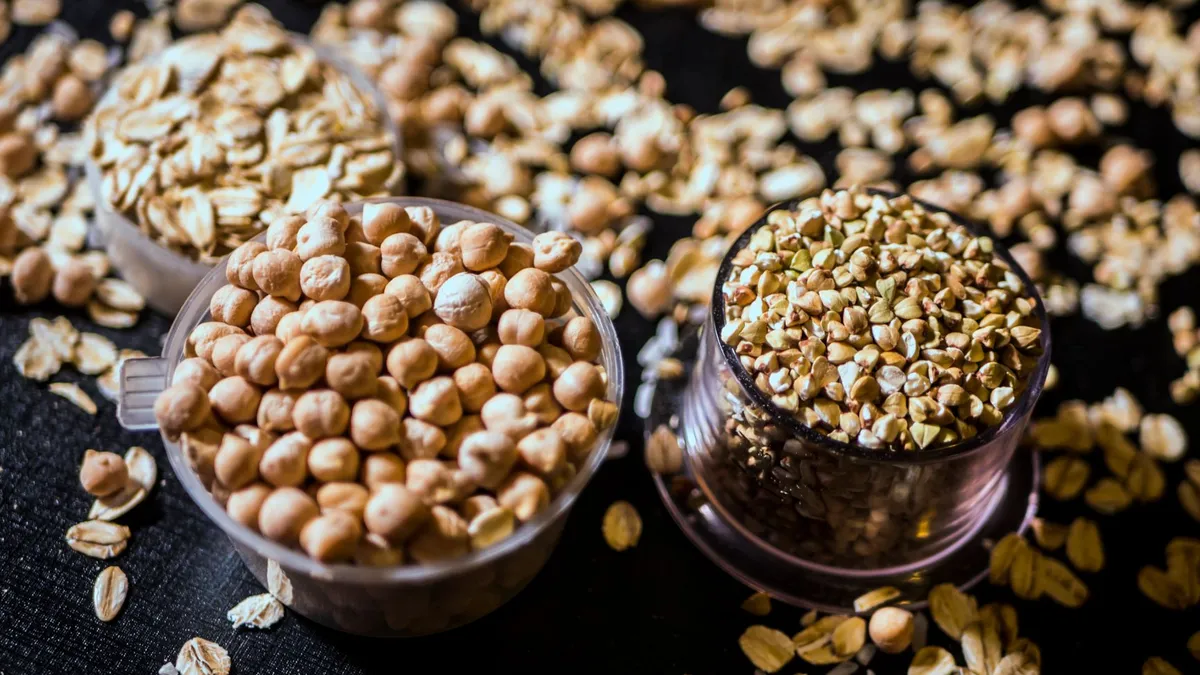
- Beans, lentils and chickpeas
- Apples, pears and citrus fruit
- Carrots and sweet potato
- Barley
What insoluble fibre does for you
Insoluble fibre is the unglamorous workhorse. It doesn’t dissolve, so it adds bulk and holds water, which helps make stool softer and easier to pass. This is the fibre most associated with keeping you regular and reducing the odds of constipation.
It also tends to help waste move through your digestive system. Nothing exciting to say about it - it just quietly helps keep the plumbing working, which is exactly what you want.
Good sources of insoluble fibre:
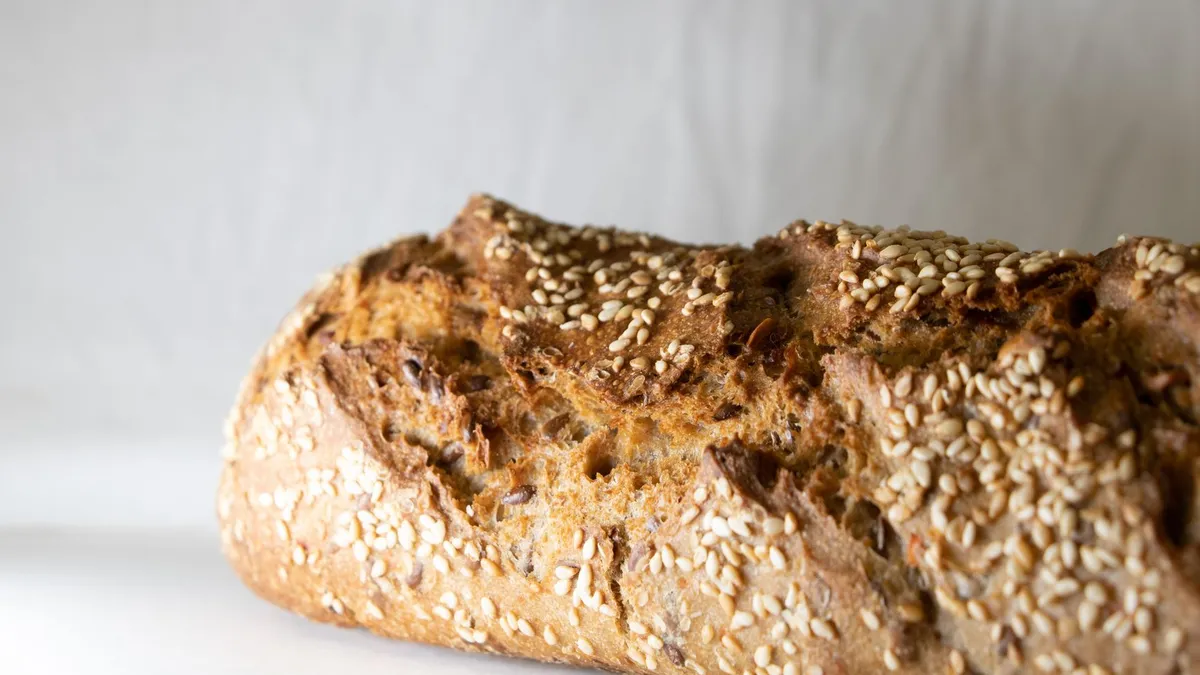
- Wholemeal bread and wholegrain cereals
- Wheat bran
- Nuts and seeds
- The skins of fruit and vegetables
- Green beans, cauliflower and potatoes with skin on
You don’t need to count soluble and insoluble separately. Eat a varied mix of wholegrains, beans, fruit, veg, nuts and seeds, and you’ll get a sensible balance of both without ever thinking about the ratio.
Why the gap matters for weight and health
Fibre is one of the few things linked to both weight management and long-term health. It helps fill you up for relatively few calories, which can make a calorie deficit easier to stick to. It feeds the bacteria in your gut. And higher fibre intakes are consistently linked with lower risk of heart disease, type 2 diabetes and bowel cancer, though these are associations rather than proof that fibre alone causes the benefit.
The catch is that fibre rarely shows up in people’s heads when they track food. Some apps bury it or skip it entirely, so you can hit your protein and calorie targets and still be running well below the fibre you need. If you log your meals, it’s worth keeping an eye on the fibre number - it’s often the quiet reason an otherwise “clean” diet leaves you hungry.
How to actually hit 30g a day
For most people this is achievable through food alone, without supplements. Small swaps stack up fast:
- Switch your grains to wholegrain. Wholemeal bread, brown rice and wholewheat pasta generally have more fibre than the white versions.
- Start the day with oats. A 40g bowl of porridge gives you roughly 3-4g before you’ve added anything.
- Leave the skins on. Potatoes, apples, pears and cucumber carry a fair amount of their fibre in the skin.
- Add beans or lentils to one meal. Half a tin of chickpeas in a curry or salad adds roughly 7-8g.
- Snack on nuts, seeds or fruit instead of crisps or biscuits.
- Keep a portion of veg on two meals a day, not just dinner.
Go slowly and drink water
If you currently eat 18g and jump to 35g overnight, your gut may protest - you might get bloating and wind for a few days. Build up over a couple of weeks instead, and drink enough fluids. Fibre, especially the insoluble kind, needs water to do its job. Without it, more fibre can sometimes make constipation worse.
The bottom line
Soluble fibre gels up, slows digestion, helps steady blood sugar and can help lower cholesterol. Insoluble fibre adds bulk and helps keep you regular. You need both, and the easiest way to get them is also the most boring advice in nutrition: eat a wide range of plants - wholegrains, beans, fruit, veg, nuts and seeds - most days.
Many of us are short by roughly 10g a day. Close that gap and you’ll likely feel fuller on fewer calories, which is a quiet win for almost any goal.
This is general information, not medical advice. If you have a gut condition like IBS or Crohn’s, or you’re making big changes to your diet, talk to your GP or a dietitian first.
Sources
- How to get more fibre into your diet - NHS
- Fiber - Harvard T.H. Chan School of Public Health
Track calories the calm way.
AI photo scanning, clean calorie and macro rings, and gentle habits that actually last.