Empty Calories: What They Are and How to Spend Better
Empty calories explained: which foods give you energy but little nutrition, why they leave you hungry, and simple swaps that keep you full.

You can hit your calorie goal for the day and still feel rubbish. Tired by 3pm, hungry an hour after dinner, low on the good stuff your body actually runs on. Often the culprit is not how much you ate, but what those calories were made of.
That is the idea behind “empty calories.” It sounds like a diet buzzword, but it points at something real and useful, especially if you are tracking your intake and wondering why the numbers add up while your energy does not.
What “empty calories” actually means
Every calorie carries energy. What makes a calorie “empty” is what comes with it, or rather what does not. Empty calories deliver energy with very little else: barely any protein, fibre, vitamins or minerals. They fill your budget without filling the gaps your body cares about.
Two things tend to drive them:
- Added sugars - the sugar poured into fizzy drinks, sweets, biscuits and many “healthy” cereals, on top of what naturally occurs in the food.
- Solid and refined fats - the fats in pastries, deep-fried food and processed snacks that add a lot of energy per bite.
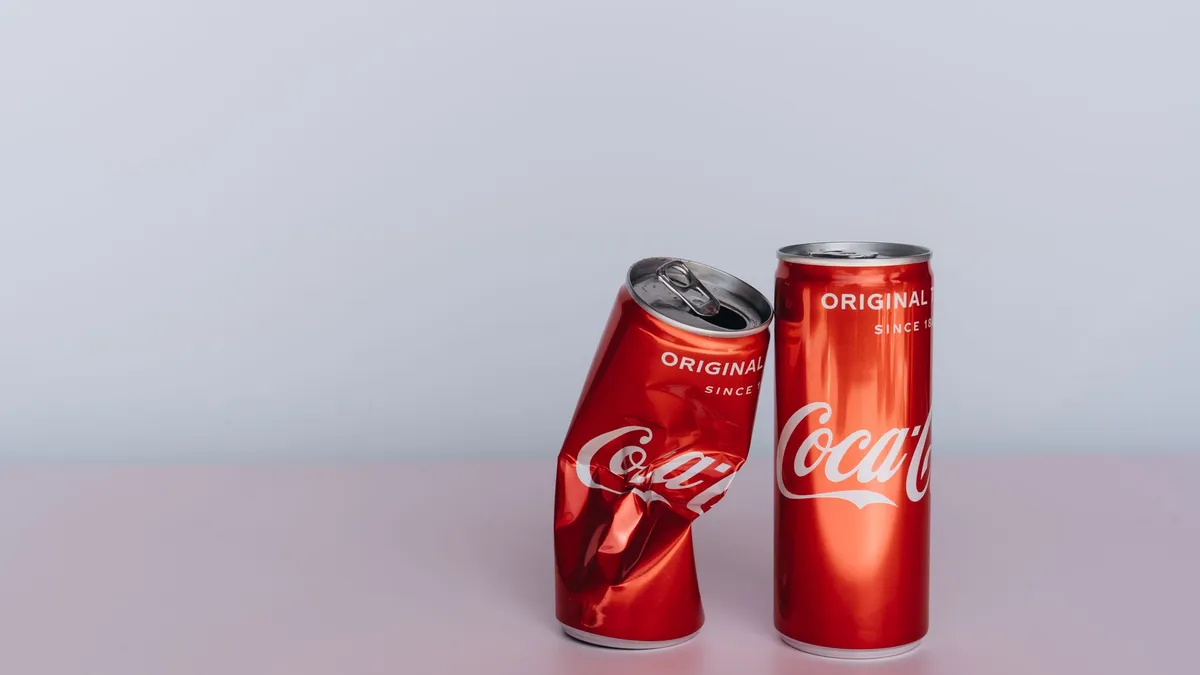
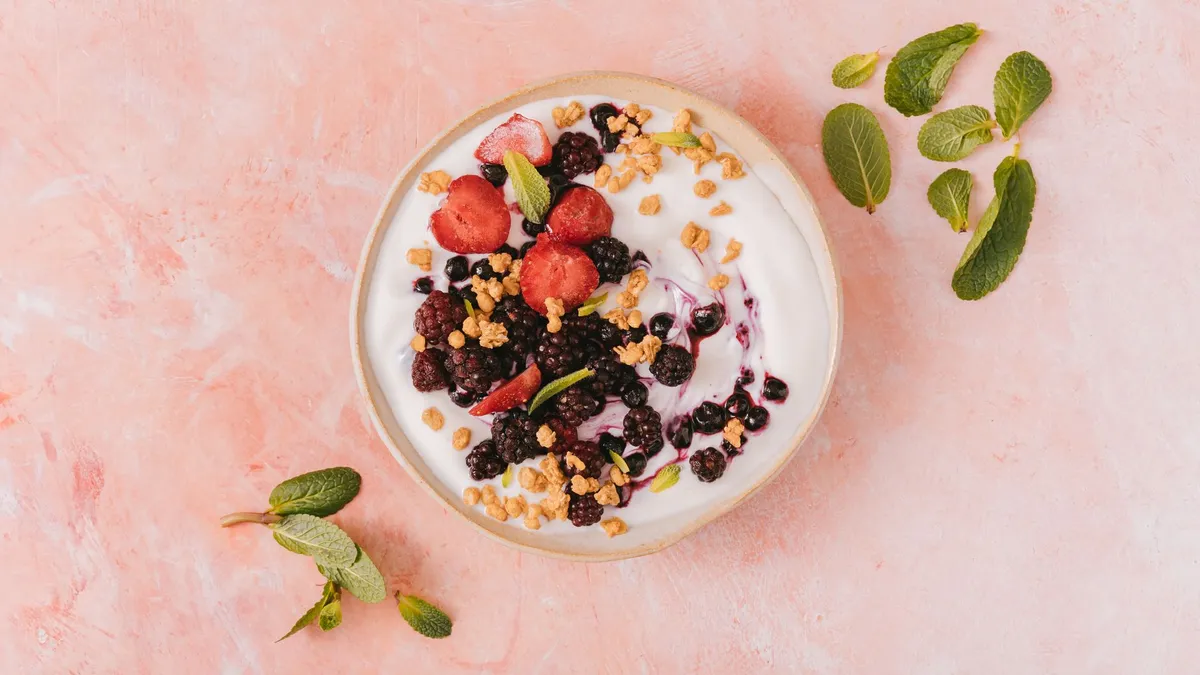
A can of cola gives you roughly 140 calories and little that your body needs. A similar-sized serving of Greek yoghurt with berries lands in a comparable calorie range but brings protein, calcium, fibre and some vitamin C. Similar rough cost, very different value.
Think of your daily calories like a budget. Empty calories are the impulse buys - satisfying for a second, gone in a flash, and they leave you short when you actually need the money.
Why they make weight loss harder
Here is the practical problem. Empty-calorie foods are often easy to overeat because they do relatively little to switch off hunger.
Protein and fibre are among the nutrients most linked to feeling full. Empty calories tend to be low in both. So 300 calories of crisps can vanish without touching the sides, while 300 calories of eggs, oats or lentils is more likely to hold you until the next meal. Many people end up eating more total calories to reach the same fullness.
They can also come with a blood-sugar catch. Refined carbs and sugary drinks are absorbed quickly, which can raise blood sugar and then let it fall, and for some people that dip shows up as a fresh craving. It is a loop that is easy to fall into and annoying to climb out of.
None of this means these foods are forbidden. It means they are expensive relative to what you get back.
How much room is reasonable
You do not need to hit zero. Most healthy eating guidance suggests keeping added sugars to a small share of your day - broadly under about 10% of your total calories, and less is better (UK guidance is stricter, suggesting free sugars make up no more than about 5% of energy). On a 2,000-calorie day, 10% is roughly 200 calories.
The useful reframe: aim to get the majority of your calories from foods that pull their weight, then spend what is left on the treats you actually enjoy. A biscuit with your afternoon tea is not the problem. A day built mostly on refined snacks is.
Common empty-calorie traps
These are the ones that quietly eat your budget:
- Fizzy drinks and sweetened coffees - a large flavoured latte can hide 300-plus calories.
- Fruit juice and smoothies - juicing removes much of the fibre and concentrates the sugar, so it is easy to drink a lot quickly.
- “Diet” and “low-fat” snacks - some are higher in sugar to make up for lost flavour, so it is worth checking the label.
- Alcohol - about 7 calories per gram, with essentially no useful nutrition attached.
- White bread, crisps and pastries - fine occasionally, easy to overdo daily.
Simple swaps that keep the calories working
You do not have to overhaul your diet. Small trades can change the value of your day without shrinking the amount of food on your plate:
- Swap the fizzy drink for sparkling water with lime, or a diet version if you prefer.
- Swap the mid-morning biscuit for an apple and a handful of nuts.
- Swap white toast for wholegrain, or add an egg on top for staying power.
- Swap the bottled smoothie for whole fruit plus yoghurt.
- Swap crisps for popcorn, olives, or roasted chickpeas.
Notice that most of these add protein or fibre. That is the real trick - you are not just cutting the empty stuff, you are replacing it with calories that earn their place.
Where tracking helps
This is exactly where a food tracker can earn its keep. When you log meals, you stop guessing and start seeing the trade-offs: that afternoon latte costing a chunk of your snack budget, or last night’s dinner coming in low on protein. Once you can see where your calories went, the swaps often make themselves obvious. Scanning a meal photo or checking a label takes seconds and can do more than any rule you try to memorise.
The one-line version
Empty calories are not evil, they are just poor value. Most of the time, choose foods that bring protein, fibre and nutrients along for the ride, keep the treats you love in a smaller slice of the day, and let the numbers guide you rather than shame you.
This is general information, not medical advice. If you have a specific health condition or dietary needs, check with a GP or registered dietitian.
Sources
- Sugar: the facts - NHS
- Healthy diet - WHO
- Carbohydrates and Blood Sugar - Harvard T.H. Chan School of Public Health
Track calories the calm way.
AI photo scanning, clean calorie and macro rings, and gentle habits that actually last.