Liquid Calories: The Drinks That Sneak Past Your Diet
Liquid calories from juice, coffee and smoothies add up fast without filling you up. Here's how to spot them and cut back easily.
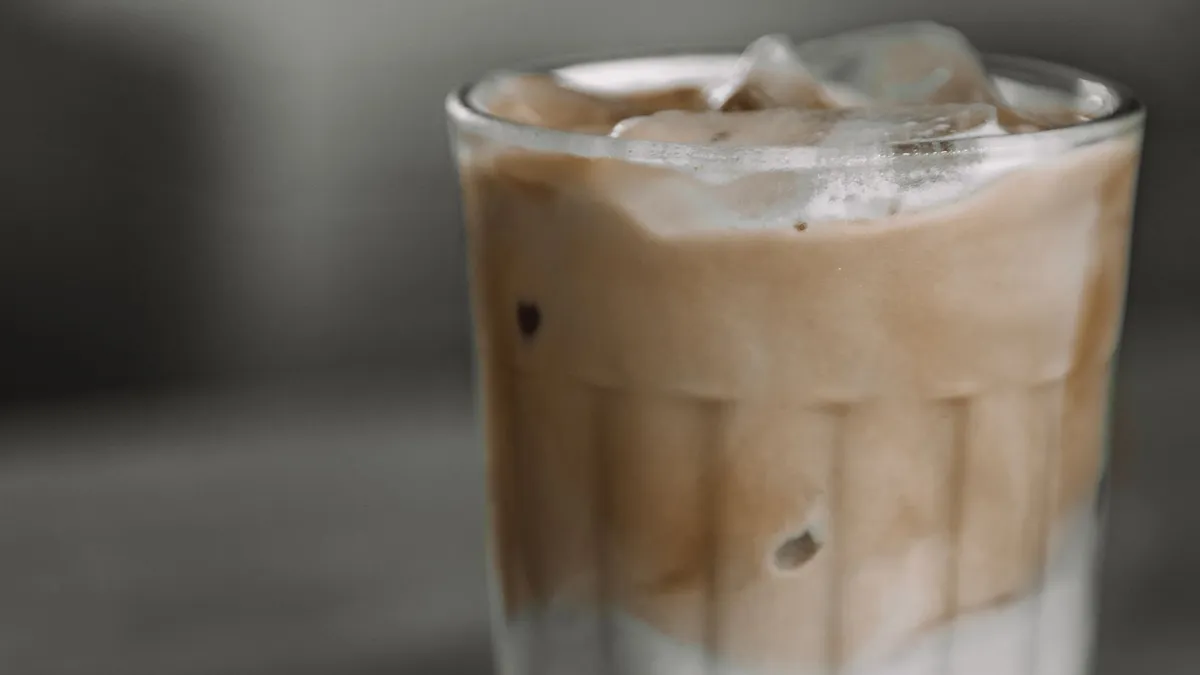
You can do everything right at mealtimes and still stall. You weigh your chicken, you skip the bread, you log every snack. And then there’s the flat white on the walk in, the orange juice with breakfast, the fancy iced coffee at 3pm, and two glasses of wine while you cook dinner. None of it felt like eating. All of it counted.
Liquid calories are the quiet saboteur of a lot of diets. They slide down easily, they rarely register as “a meal,” and most people badly underestimate them. A large flavoured coffee can carry more calories than a chocolate bar, and you’d never sit down and eat a chocolate bar without noticing.
Why liquid calories are so easy to miss
Your body seems to handle calories from drinks differently from calories you chew. When you eat solid food, chewing, stomach stretch and slower digestion all send fullness signals to your brain. Drinks skip most of that. You can down 250 calories of smoothie in ninety seconds and feel no fuller than before you started.
Research on this is fairly consistent: liquid calories tend to be poorly “compensated for,” meaning people generally don’t eat less later to make up for them. So a 200-calorie drink often lands on top of your normal intake rather than replacing part of it.
There’s also a simple attention problem. Most people mentally file drinks under “not food.” You log your lunch without thinking twice, but the two coffees and the glass of juice quietly disappear from your own accounting.
The usual suspects (rough calorie ranges)
Exact numbers depend on brand and size, but these ballparks show how quickly it adds up:
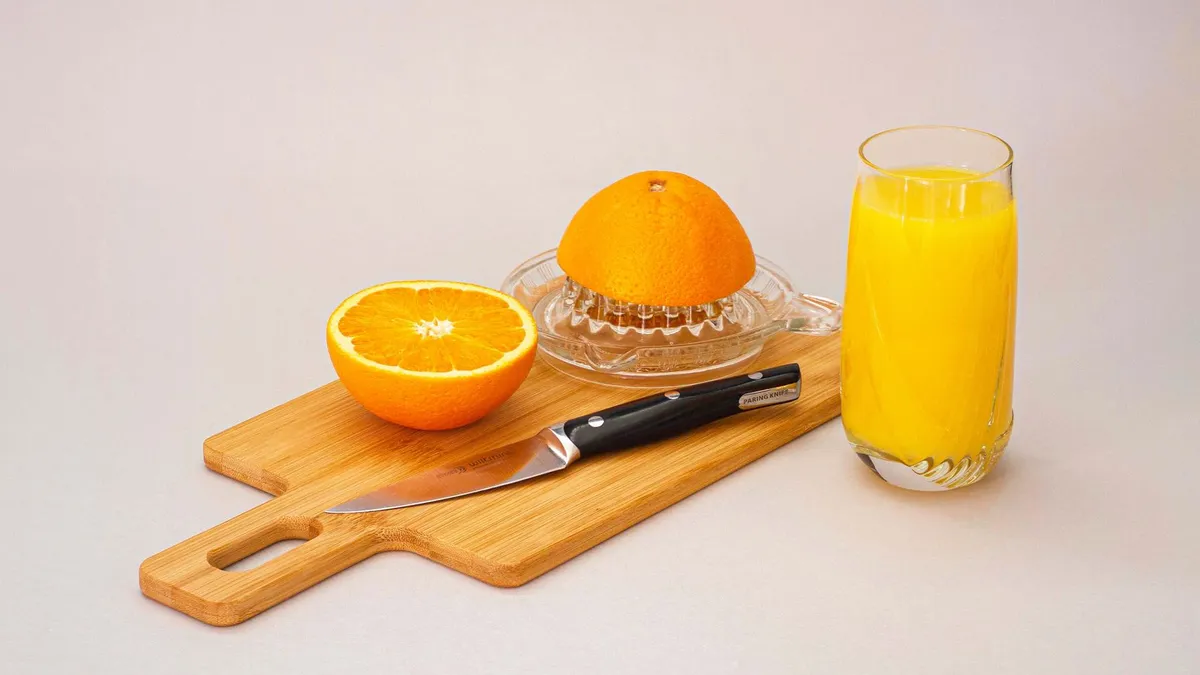
- Orange juice, 250ml: roughly 100–120 calories, with a sugar content in the same ballpark as a cola.
- Latte made with whole milk, medium: roughly 150–200 calories.
- Flavoured or iced coffee from a chain, large: often 250–450 calories, sometimes more with cream and syrup.
- Smoothie, shop-bought 400ml: commonly 200–300 calories.
- Cola or lemonade, 330ml can: around 130–140 calories.
- Wine, 175ml glass: roughly 130–160 calories. Two glasses is a decent meal’s worth.
- Beer, pint: around 180–240 calories depending on strength.
Now picture a fairly ordinary day: juice at breakfast, a mid-morning latte, an afternoon iced coffee, and two glasses of wine in the evening. That can easily total 700–900 calories before you’ve counted a single bite of food. For many people that’s a sizeable chunk of a day’s energy.
The problem isn’t that any one of these drinks is bad. It’s that they cost you real calories while giving you almost no fullness in return - so you pay twice.
Which drinks are actually worth it
This isn’t a lecture about drinking only water. Some liquid calories earn their place. The trick is deciding on purpose instead of by habit.
Worth keeping
- Milk, if you like it, brings protein and calcium. A splash in coffee is trivial; a pint a day is not.
- A proper smoothie you make yourself, with whole fruit, some yoghurt or protein and maybe spinach, can be a genuine meal rather than a snack you drank.
- The one coffee you truly enjoy. Ritual matters. Cutting the drink you love to keep three you don’t care about makes no sense.
Worth rethinking
- Fruit juice. The NHS counts a maximum of 150ml of juice or smoothie a day towards your “5 a day,” partly because juicing breaks down much of the fibre and releases the sugars. Whole fruit tends to fill you up more for the calories.
- Sugary soft drinks and energy drinks. These are close to pure liquid sugar and are often the easiest single thing to cut.
- Big blended coffee shop drinks. These are often dessert in a cup. Nice occasionally, expensive daily.
Simple swaps that don’t feel like suffering
You don’t need to go cold turkey on everything. A few targeted changes usually recover more calories than any heroic effort at dinner.
- Log your drinks first, for one week. Just seeing the number is often enough to change behaviour. This is exactly where snapping a photo or a quick log in a tracker beats guessing.
- Downsize, don’t delete. A small latte instead of a large, or a single glass of wine instead of two. Halving is easier to stick to than banning.
- Switch the mixer, not the drink. Diet tonic or soda water with spirits cuts a lot without changing the ritual.
- Eat your fruit, drink your water. Swap the morning juice for whole fruit and a glass of water. More fullness, more fibre, fewer calories.
- Make coffee at home most days. A homemade latte with semi-skimmed milk is a fraction of the calories of a syrupy shop version, and cheaper.
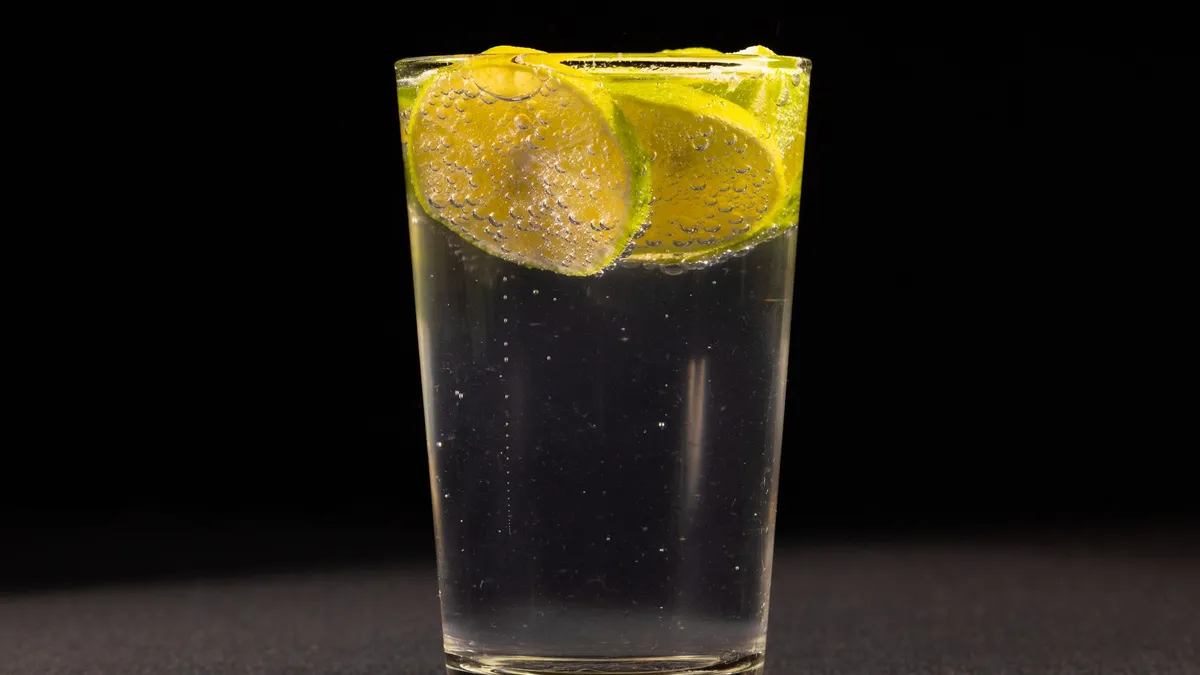
- Front-load flavour with less sugar. Sparkling water with a squeeze of lime, or coffee with cinnamon, scratches the itch for something interesting to drink.
What to actually do this week
Pick the two drinks you have most often and check their real numbers - the brand’s website or your tracker will tell you. Then decide which one you genuinely love and keep it, and trim the other. That’s it. Most people find one or two easy cuts here quietly reopen the calorie budget they thought they’d already spent.
Drinks are the blind spot precisely because they don’t feel like eating. Once you start counting them, the maths of your day suddenly makes a lot more sense.
This is general information, not medical advice. If you have diabetes, take medication affected by alcohol, or have specific dietary needs, check with a GP or dietitian before making big changes.
Sources
- Sugar: the facts - NHS
- Sugary drinks - Harvard T.H. Chan School of Public Health
- Water, drinks and hydration - NHS
Track calories the calm way.
AI photo scanning, clean calorie and macro rings, and gentle habits that actually last.