
What to Eat Before and After a Workout (Simple Guide)
Learn what to eat before and after a workout to fuel performance and recovery, with simple meal ideas, timing tips and easy protein targets.
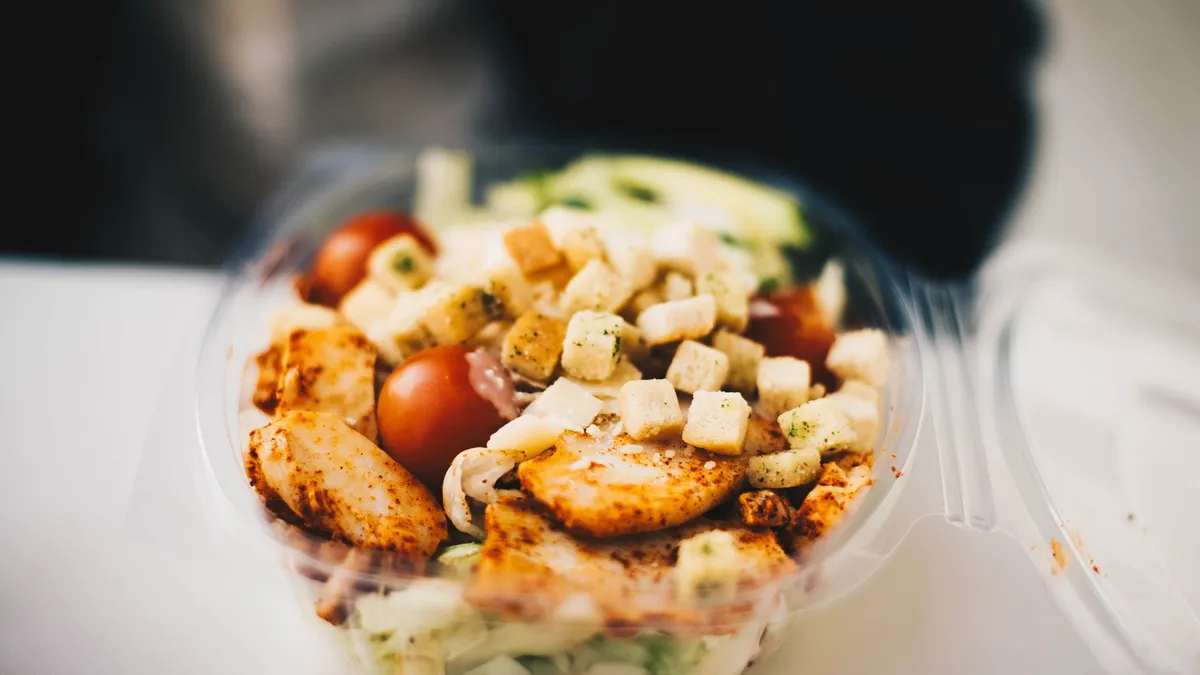
Most people overthink workout nutrition. You don’t need a shelf of powders or a stopwatch counting down to the exact minute your “anabolic window” slams shut. You need enough energy to train well, and enough protein afterwards to repair the muscle you just worked. That’s genuinely most of it.
Still, the details matter if you want to feel strong during a session and recover properly for the next one. Here’s a practical guide to what to eat before and after a workout, with real food, real portions, and no fuss.
Before a workout: top up your fuel
The main job of a pre-workout meal is carbohydrate. Carbs top up glycogen, the stored energy your muscles burn during hard effort. If you train fasted first thing and feel fine, that’s okay for lighter sessions. But for anything intense or lasting over 45 minutes, eating beforehand usually helps you push harder.
Timing changes what you should eat:
- 2–3 hours before: A proper meal with carbs, some protein and a little fat. Think porridge with banana and yoghurt, chicken with rice and veg, or eggs on wholegrain toast.
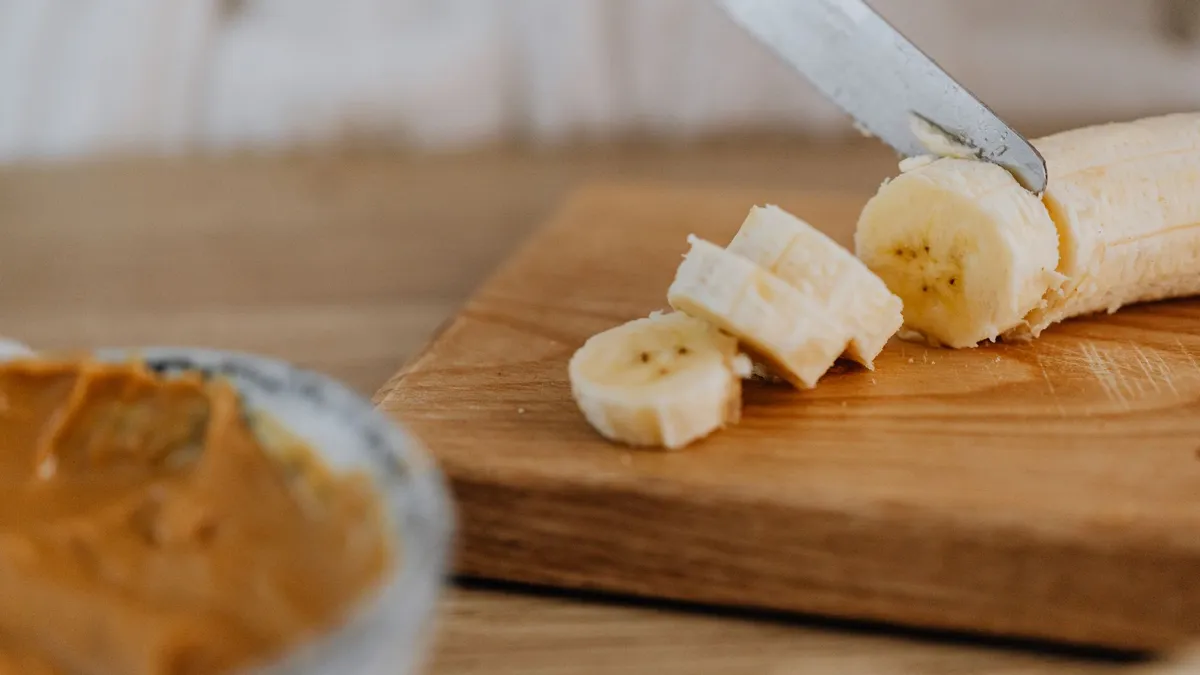
- 30–60 minutes before: Something small and easy to digest, mostly carbs. A banana, a slice of toast with honey, or a handful of dates.
- Right before: If you’re rushed, a piece of fruit is better than nothing.
The closer to your session, the smaller and simpler the meal. A big fatty plate 20 minutes before deadlifts can leave some people feeling sluggish. Individual tolerance varies, so it’s worth experimenting to see what sits well for you - but in general, go lighter as the clock ticks down.
A quick rule: the harder and longer you plan to train, the more carbs you want on board beforehand. A gentle walk needs nothing special. A heavy leg session or a long run rewards a proper top-up.
Hydration counts too. Even mild dehydration can make a session feel harder than it should. Have a glass of water in the hour before you start, and sip during if you’re sweating a lot.
After a workout: repair and refuel
Training breaks muscle down; food and rest build it back stronger. The post-workout priority is protein, which supplies the amino acids your body uses to repair and grow muscle tissue. Carbohydrate matters here too, especially if you trained hard or plan to train again within a day.
Research on protein and muscle suggests most people do well aiming for roughly 0.3 grams of protein per kilogram of body weight per meal after training, though estimates vary between individuals. For a 70 kg person that’s about 20–25 g, which is easy to hit:
- A chicken breast (roughly 25–30 g protein, depending on size)
- A tin of tuna
- Two to three eggs plus some Greek yoghurt
- A scoop of whey with milk
- Tofu or tempeh stir-fry for plant-based training
Pair that protein with some carbs to restock energy: rice, potatoes, pasta, oats or fruit all work. A classic post-gym plate might be salmon, sweet potato and greens. A fast option is a smoothie with milk, banana, oats and a scoop of whey.
Does the “anabolic window” really matter?
You may have heard you must eat within 30 minutes or your gains vanish. For most people, that’s overblown. Research generally finds the window is much wider than 30 minutes, likely spanning a few hours around training. What matters far more is your total daily protein and calories, not stopwatch precision.
Two situations where timing may count more:
- You trained fasted and haven’t eaten for many hours. Eat reasonably soon.
- You’re doing two sessions in one day. Refuelling between them helps restock glycogen.
Otherwise, having a normal meal within a few hours is generally fine.
Simple pairings that work
If you’d rather not plan, keep a few reliable combinations in your back pocket:
- Before: Banana and a spoon of peanut butter
- Before: Greek yoghurt with berries and honey
- After: Eggs on toast with a glass of milk
- After: Chicken, rice and mixed veg
- After: Protein shake with a banana
Notice none of these are complicated. Whole foods do the job. Supplements like whey are convenient, not magic, and you can hit every target with a normal shopping trolley.
How tracking helps
The gap between “I think I eat enough protein” and “I actually do” can be surprisingly large. Many people fall short, particularly at breakfast. Logging your meals for a week or two shows you roughly where you land, so you can add a yoghurt here or an extra egg there rather than guessing. Once you know your daily protein target and your rough calorie needs, the pre- and post-workout details fall into place naturally.
You don’t have to weigh everything forever. A short stint of tracking builds the intuition to eyeball portions for good.

The bottom line
Fuel with carbs before you train, prioritise protein after, and drink enough water throughout. Get your total daily protein and calories right, and the exact timing becomes a minor detail rather than a source of stress. Keep the meals simple, repeatable and made mostly of real food.
This article is intended for general nutritional information only and is not a substitute for personalised medical advice. If you have a health condition, are pregnant or breastfeeding, are managing diabetes or another medical condition, or have specific sports performance goals, please speak with a GP or registered dietitian before making changes to your diet.
Sources
- How much protein do you need every day? - Harvard Health
- Nutrition and athletic performance - PubMed
Track calories the calm way.
AI photo scanning, clean calorie and macro rings, and gentle habits that actually last.