
The High-Protein Breakfast Rule That Curbs Cravings
A high-protein breakfast can steady blood sugar and cut afternoon cravings. Here's how much protein to aim for and 8 easy meals.
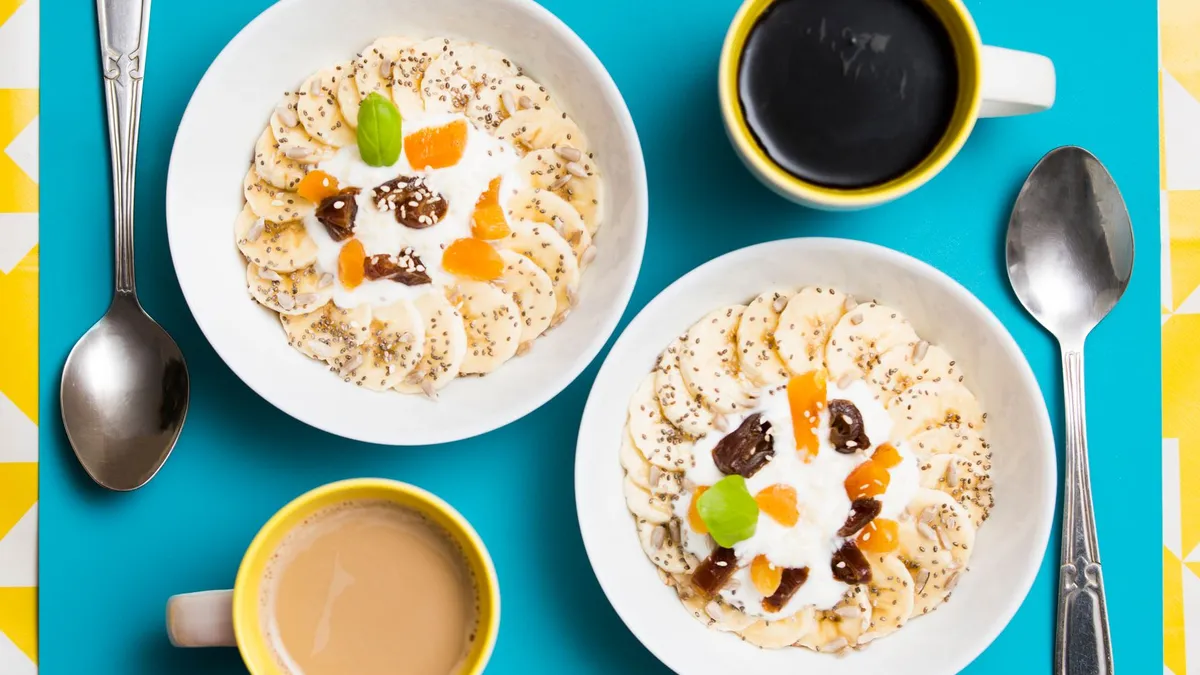
Most of us default to breakfasts built almost entirely from carbohydrate. Toast and jam. A bowl of cereal. A pastry grabbed on the way to the station. They taste good and take thirty seconds, but by 11am you’re rummaging in the biscuit tin wondering why you’re starving again.
The fix is rarely willpower. It’s usually the shape of the meal. Front-loading your morning with protein is one of the simplest changes you can make, and for many people it tends to pay off for the rest of the day.
Why a protein-heavy breakfast works
Gram for gram, protein tends to be the most satiating of the three macronutrients. It’s generally slower to digest than refined carbs, it can soften the sharp blood-sugar spike-and-crash that leaves you hungry an hour later, and there’s reasonable evidence it nudges appetite hormones in a helpful direction - for example lowering ghrelin (the “feed me” signal) and supporting fullness cues.
Research on higher-protein breakfasts, particularly in people who tend to snack in the evening, generally points the same way: eating more protein in the morning is associated with feeling fuller for longer and reaching for fewer impulse snacks later on. The findings aren’t unanimous, and the effect varies from person to person, but it’s consistent enough to be worth testing on yourself.
There’s a possible bonus for anyone tracking macros or trying to hold on to muscle while losing fat. Some research suggests spreading protein more evenly across the day - rather than cramming it all into dinner - may support muscle maintenance better than a single big evening hit, though the evidence here is still developing.
A quick rule of thumb: if your breakfast is all beige and gone in three bites, it’s probably too low in protein to keep you full.

How much protein to aim for
For appetite control, many people do well with roughly 20 to 40 grams of protein at breakfast. If you’re larger, very active, or specifically building muscle, you may want to aim toward the top of that range.
To make it concrete, here’s roughly what that looks like (exact figures vary by brand and product):
- 3 large eggs - around 18g
- 150g pot of Greek yoghurt - around 13–15g
- 100g cottage cheese - around 11g
- A scoop of whey protein - around 20–25g
- 100g smoked salmon - around 18–20g
- 200g firm tofu - around 16g
You rarely hit 30g from a single food, so the trick is stacking two protein sources. Eggs plus yoghurt. Tofu scramble plus a glass of milk. That’s usually where the “full until lunch” feeling comes from.
Eight breakfasts that aim for around 25g of protein
None of these are complicated. Most take under ten minutes. (The protein figures below are rough estimates and will depend on the exact products you use.)
- Greek yoghurt bowl - 200g Greek yoghurt, a handful of berries, a spoon of mixed seeds and a little granola for crunch. Around 20–25g.
- Three-egg veggie scramble - eggs with spinach, tomatoes and a sprinkle of feta on wholegrain toast. Around 22–25g.
- Cottage cheese on rye - cottage cheese, sliced tomato and cracked pepper on dense rye bread, with an egg on the side. Around 25–28g.
- Protein overnight oats - 40g oats soaked in milk with a scoop of whey and a spoon of peanut butter. Made the night before. Around 28–30g.
- Smoked salmon and eggs - scrambled eggs with smoked salmon and chives. Around 28–30g.
- Tofu scramble - firm tofu crumbled and fried with turmeric, onion and peppers, wrapped in a wholemeal tortilla. Around 22g (add a glass of soya milk to top it up).
- Protein smoothie - a scoop of whey, a banana, a spoon of oats, milk and a handful of frozen berries. Around 28–30g and drinkable one-handed.
- Skyr and nut butter - a pot of skyr stirred with almond butter and a few chopped nuts. Around 24–26g.
If mornings are chaotic, lean on the ones you can prep ahead: overnight oats and pre-portioned smoothie bags are lifesavers on a Monday.

Making it a habit that sticks
The best high-protein breakfast is the one you’ll actually eat again tomorrow. A few things help it stick:
- Anchor it to something you already do. Coffee going on? That’s your cue to crack the eggs.
- Keep three defaults on rotation so you’re never deciding from scratch at 7am.
- Stock the fridge deliberately. Eggs, Greek yoghurt, cottage cheese and a tub of whey cover most of the list above.
- Check your numbers for a week. People are often surprised how little protein their usual breakfast contains. Logging a few meals - snapping a photo of the plate works if you’d rather not weigh everything - quickly shows you where the gap is and whether your swaps are actually landing near that 25–30g target.
Give it a fortnight before you judge it. The first couple of days can feel like a lot of food that early, but appetite often adjusts within a week or two, and the real tell is what happens at 11am and 4pm. Fewer trips to the vending machine is a good sign it’s working.
A quick note
This is general nutrition information, not medical advice. If you have diabetes, kidney concerns, or any condition affecting how you handle protein, check with your GP or a dietitian before making big changes to your diet.
Sources
- Beneficial effects of a higher-protein breakfast on the appetitive, hormonal and neural signals controlling energy intake - American Journal of Clinical Nutrition (PubMed)
- A high-protein diet for reducing body fat: mechanisms and possible caveats - Nutrition & Metabolism (NIH/PMC)
Track calories the calm way.
AI photo scanning, clean calorie and macro rings, and gentle habits that actually last.