Why You Hit a Weight Loss Plateau (And How to Break It)
Weight loss stalled? Here's why plateaus happen, what your metabolism is doing, and practical ways to start losing again.
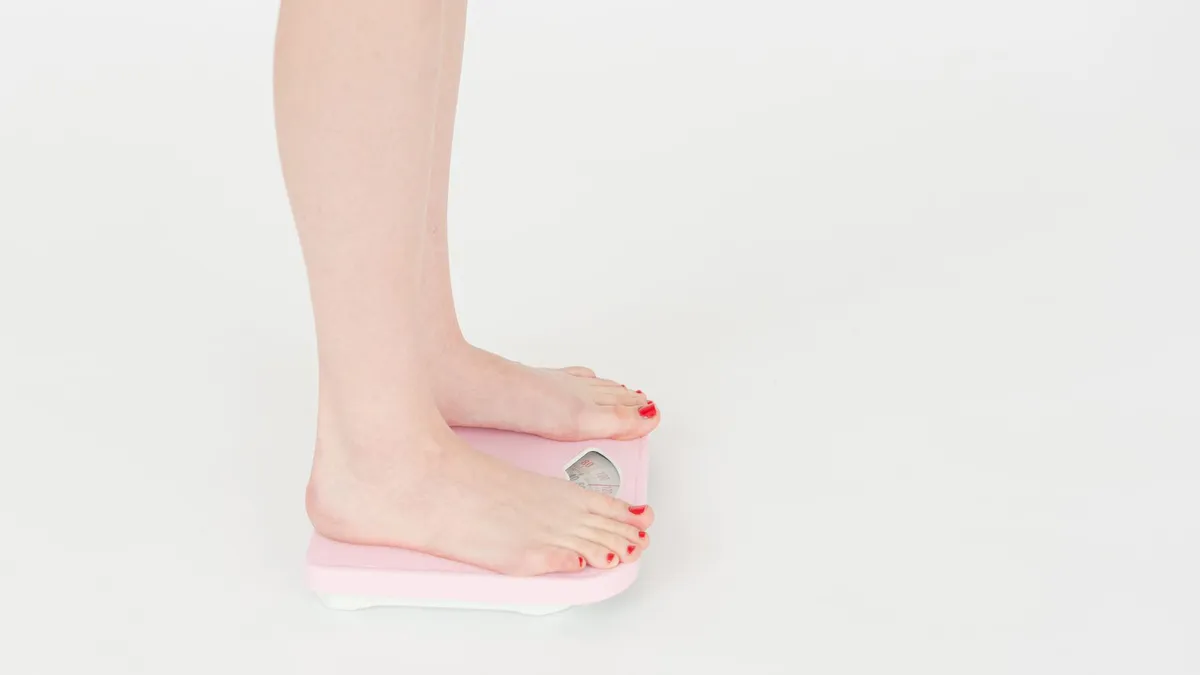
You lost weight steadily for a few weeks. The numbers on the scale kept ticking down, your clothes felt looser, and then one morning it all just stopped. Same food, same effort, same routine, but the needle won’t budge. If that sounds familiar, you’ve hit a plateau, and many people who lose weight run into one eventually.
The frustrating part is that a plateau doesn’t necessarily mean you’re doing anything wrong. It often means your body has adapted to what you’re doing, and the plan that worked at 90kg may not be the right plan at 82kg. The good news: plateaus are usually solvable once you understand what’s likely happening underneath.
What a plateau really is
A true plateau is generally described as your weight holding steady for roughly two to three weeks or more, despite genuinely sticking to your deficit. A few days of no change isn’t a plateau, it’s just normal fluctuation. Water, sodium, hormones, and the sheer weight of undigested food can swing the scale by a kilo or two over a short period.
So before you change anything, rule out the fake plateau:
- You weighed in after a salty meal or a big carb day - that’s likely water, not fat.
- You’ve only been “stuck” for a week - give it more time before reacting.
- Your period is due, or recently passed - monthly hormonal shifts commonly hold water.
- You changed your training - new or harder workouts can cause temporary muscle water retention.
If you weigh yourself most mornings and take a weekly average, these blips tend to smooth out and the real trend becomes clearer.

Why genuine plateaus happen
When the stall is real, there are usually one or more things going on at once.
Your body needs fewer calories now
This is often the big one. A smaller body tends to burn fewer calories doing everything, from walking to the shops to simply existing. If you’ve lost a meaningful amount of weight, your daily energy needs will typically have dropped. The deficit that once produced steady fat loss may now be closer to your maintenance level, so weight loss slows.
Portions have quietly crept up
Early on, most people measure carefully. A few weeks in, the olive oil gets poured by eye, the peanut butter spoon gets heaped, and “one biscuit” becomes three. None of it feels dramatic, but an extra couple of hundred calories a day can be enough to erase a modest deficit.
The most common reason a plateau feels mysterious is that we tend to underestimate what we eat and overestimate what we burn. Both can drift in the wrong direction over time, and neither shows up clearly unless you’re actually logging.
You’re moving less without noticing
Dieting can leave some people feeling tired, and tired people may fidget less, take the lift, and skip the evening walk. This kind of unconscious drop in daily movement (a change in non-exercise activity, often discussed alongside metabolic adaptation) can reduce your daily energy burn. It’s not a failure of willpower, it’s a common way the body responds to eating less.
How to break the plateau
You don’t need a dramatic overhaul. Small, deliberate adjustments often do the job.
- Recalculate your numbers. Your calorie target from several weeks ago was built for a heavier you. Update it for your current weight and you’ll usually find you need to trim a modest amount, often around 100 to 200 calories, to restore the deficit.
- Tighten up your logging for a week. Weigh oils, nut butters, cheese, and sauces rather than eyeballing them. These calorie-dense foods are where hidden calories often add up. Logging tools can help by prompting you to record the things you’d otherwise skip.
- Add protein and fibre. Both tend to keep you fuller for longer, which can make a slightly lower calorie target easier to stick to. Aim to build meals around a solid protein source and plenty of vegetables.
- Move more, not necessarily harder. An extra 20-minute walk or a daily step goal is often easier to sustain than punishing gym sessions, and steady movement adds up.
- Consider a short diet break. If you’ve been in a deficit for a long stretch, a week or two at maintenance calories may help with appetite, adherence and motivation before you resume. If you have any medical condition, check with a clinician before making changes.
When the scale isn’t the whole story
Here’s something worth remembering: the scale measures everything, not just fat. If you’ve started strength training, you may be gaining a little muscle while losing fat, which can flatten your scale weight even as your body changes shape.
This is why it helps to track more than one thing. Take a waist measurement, snap a monthly progress photo, and notice how your clothes fit. Plenty of people who are convinced they’ve stalled find their waistband tells a different story.

A quick reality check
Weight loss is rarely a straight line. Even when you do most things right, it tends to come in steps and stalls rather than a smooth downward slope. A plateau isn’t necessarily a sign to quit, it’s often a signal to check your numbers, sharpen your logging, and give it another few weeks.
Be patient with the process. The people who reach their goals aren’t usually the ones who never plateau. They’re often the ones who treat a plateau as information rather than defeat.
This article is for general information and isn’t medical advice. If you have a health condition, take medication, or your weight changes in ways that worry you, speak to a doctor or registered dietitian.
Sources
- Changes in Energy Expenditure with Weight Gain and Weight Loss in Humans - Current Obesity Reports (NIH/PMC)
- Dietary protein and appetite sensations in overweight and obesity: a systematic review - European Journal of Nutrition (PubMed)
- Glycogen storage: illusions of easy weight loss and excessive weight regain - Am. J. Clinical Nutrition (PubMed)
- Soluble dietary fibre, energy intake and satiety: systematic review & meta-analysis - Foods (NIH/PMC)
Track calories the calm way.
AI photo scanning, clean calorie and macro rings, and gentle habits that actually last.