Fibre: The Nutrient Most Trackers Ignore
Most people eat half the fibre they need. Here's why fibre matters for hunger, gut health and fat loss.
Ask ten people what they track and you’ll hear the same three words: calories, protein, carbs. Fibre almost never makes the list. Which is odd, because it quietly influences how full you feel, how steady your energy stays, and how your gut behaves for the rest of the day.
Here’s the uncomfortable bit. Most adults in the UK eat around 18–20g of fibre a day, while the recommendation for adults sits at about 30g. That gap is small on paper and meaningful in practice. Closing it is one of the least glamorous, most reliable upgrades you can make to your diet.
What fibre actually does
Fibre is the part of plant food your body can’t fully digest. Instead of being broken down for energy like other carbs, it travels further down the digestive tract and does useful work along the way. It’s often grouped into two broad types, and it’s worth getting both.
- Soluble fibre dissolves in water and forms a gel. It can help slow digestion, blunt blood sugar spikes, and it feeds the bacteria in your gut. Think oats, beans, apples, carrots.
- Insoluble fibre adds bulk and helps keep things moving through your system. Think wholegrains, nuts, the skins of fruit and veg.
Most whole plant foods contain a mix, so you don’t need to obsess over the split. Eating a range of plants tends to sort it out on its own.
Why it matters if you’re counting calories
If you’re tracking to lose fat or maintain a healthy weight, fibre earns its place for a simple reason: it tends to help you feel satisfied on fewer calories.
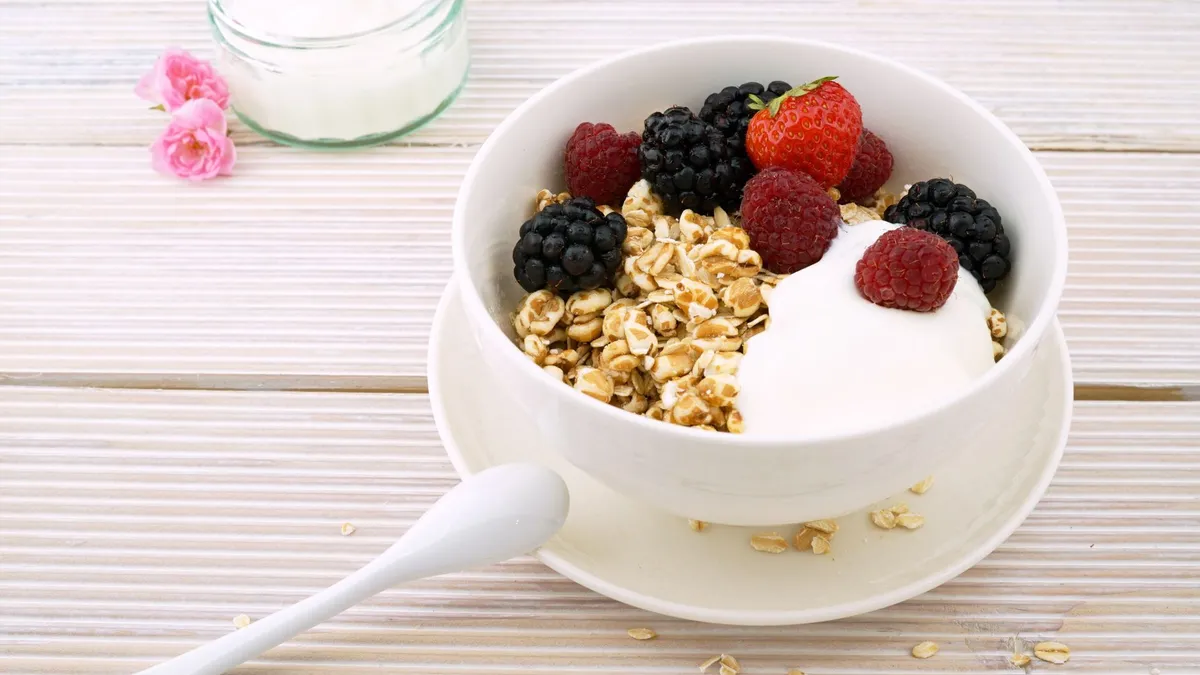
A bowl of porridge with berries and a scoop of chia is likely to keep you full for longer than a pastry of similar calories, which may leave you rummaging through the cupboard by mid-morning. The difference isn’t willpower. Fibre-rich foods generally take longer to eat, take up more room in your stomach, and slow the release of sugar into your blood, which can help you avoid a crash-and-crave cycle.
There’s also a smaller, often-overlooked bonus. Not all the energy from fibre-rich foods is fully absorbed, and these foods tend to be less energy-dense by nature. You end up eating more volume for the same number of calories, which is helpful when hunger is the enemy.
Fibre isn’t a fat-loss trick. It’s a hunger tool. Feeling full generally makes it easier to stay in a calorie deficit than feeling hungry does.
The gut connection
Your large intestine is home to trillions of bacteria, and fibre is one of their main food sources. When they ferment it, they produce short-chain fatty acids that appear to support the gut lining and help regulate inflammation. Research generally finds that a more varied fibre intake is associated with a more varied gut community - though the science here is still evolving.
Researchers who study the microbiome often point to plant variety rather than a single magic food. A rough target many people find useful is aiming for a wide range of different plants across a week - vegetables, fruit, wholegrains, legumes, nuts and seeds all count. You don’t need to weigh or optimise it. You just need range.
How to actually hit 30g a day
The number sounds intimidating until you see how quickly it adds up. Here’s one realistic day (figures are approximate and vary by brand and portion):
- Breakfast: porridge (40g oats) with a handful of raspberries and a tablespoon of chia - roughly 8–10g.
- Lunch: a wholemeal wrap with chickpeas, salad and hummus - roughly 9–11g.
- Snack: an apple with skin and a small handful of almonds - roughly 4–6g.
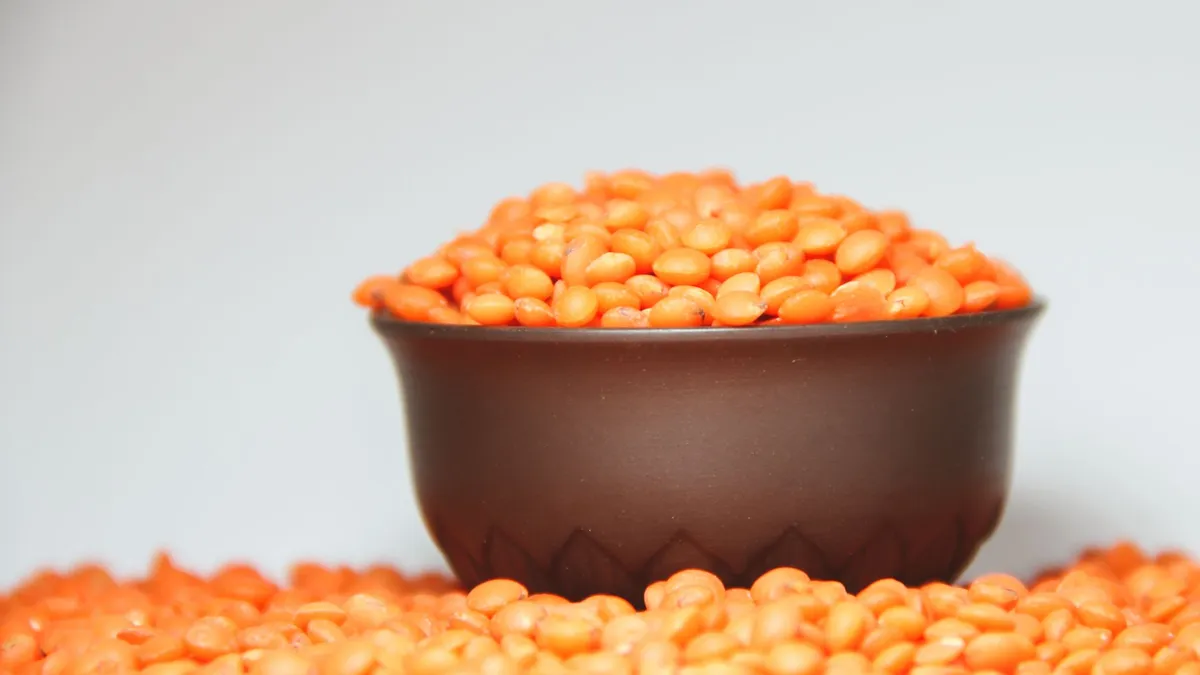
- Dinner: a portion of lentils or beans with veg and brown rice - roughly 10–12g.
That’s comfortably over 30g without a single supplement. A few principles make it easier day to day:
- Leave the skins on. Potatoes, apples, pears and carrots lose some of their fibre when peeled.
- Swap the base. Wholemeal bread, brown rice and wholewheat pasta add a few grams per meal with no extra effort.
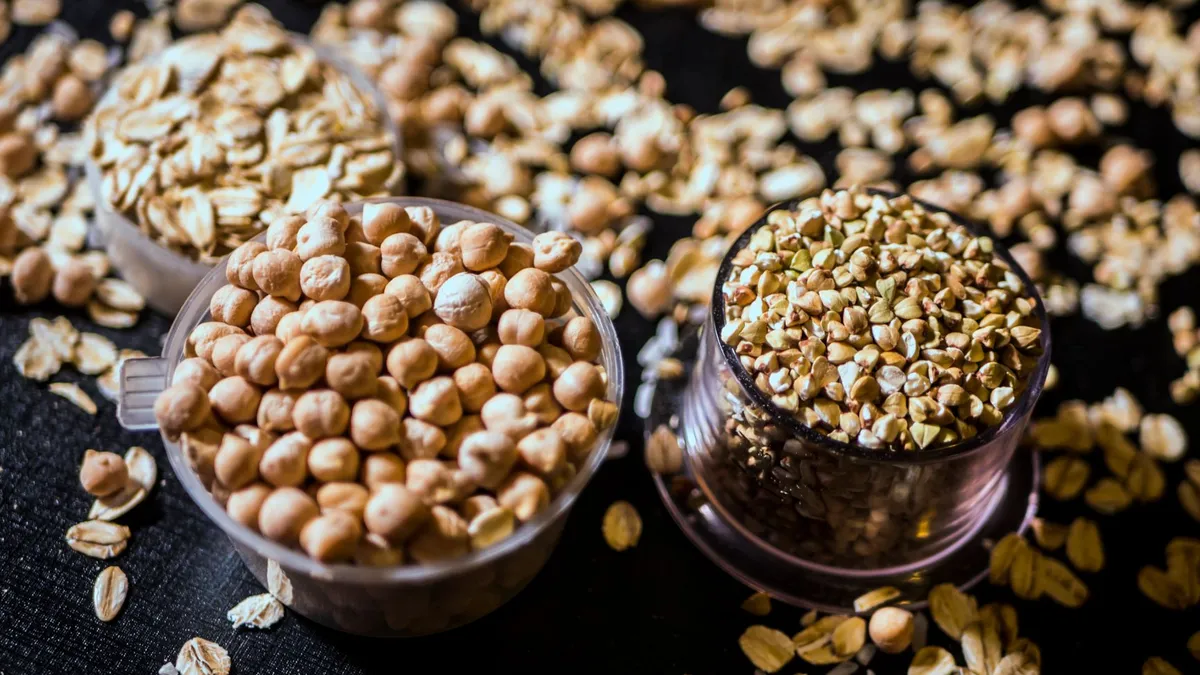
- Lean on legumes. Beans, lentils and chickpeas are among the more fibre-dense foods available, and they’re cheap.
- Add seeds. A tablespoon of chia or ground flaxseed in yoghurt or porridge adds a few grams.
Go slow if you’re starting low
If you currently eat closer to 15g, don’t jump to 35g overnight. A sudden surge can cause bloating and wind while your gut adjusts. Add around 5g at a time over a couple of weeks and drink more fluid alongside it - fibre needs water to do its job comfortably.

Tracking fibre without the faff
Many people never see their fibre number because their tracker buries it. It’s worth surfacing it as a daily target you actually watch, the same way you’d watch protein. Once it’s visible, you may start noticing patterns - for a lot of people, the days they hit their fibre target are the days they weren’t ravenous by late afternoon.
You don’t need to hit the target perfectly every day. Aim for it most days, notice which meals do the heavy lifting, and build from there. Small, repeatable swaps tend to beat a dramatic overhaul that lasts a fortnight.
A quick note: this is general information, not medical advice. If you have a gut condition like IBS, have had bowel surgery, or take medication that could be affected by changes in digestion, talk to your GP or a registered dietitian before making big changes to your fibre intake.
Sources
- How to get more fibre into your diet - NHS
- Fiber-full eating for better health and lower cholesterol - Harvard Health
- Fiber - The Nutrition Source - Harvard T.H. Chan School of Public Health
- Dietary Fibre Modulates the Gut Microbiota - Nutrients (peer-reviewed)
Track calories the calm way.
AI photo scanning, clean calorie and macro rings, and gentle habits that actually last.