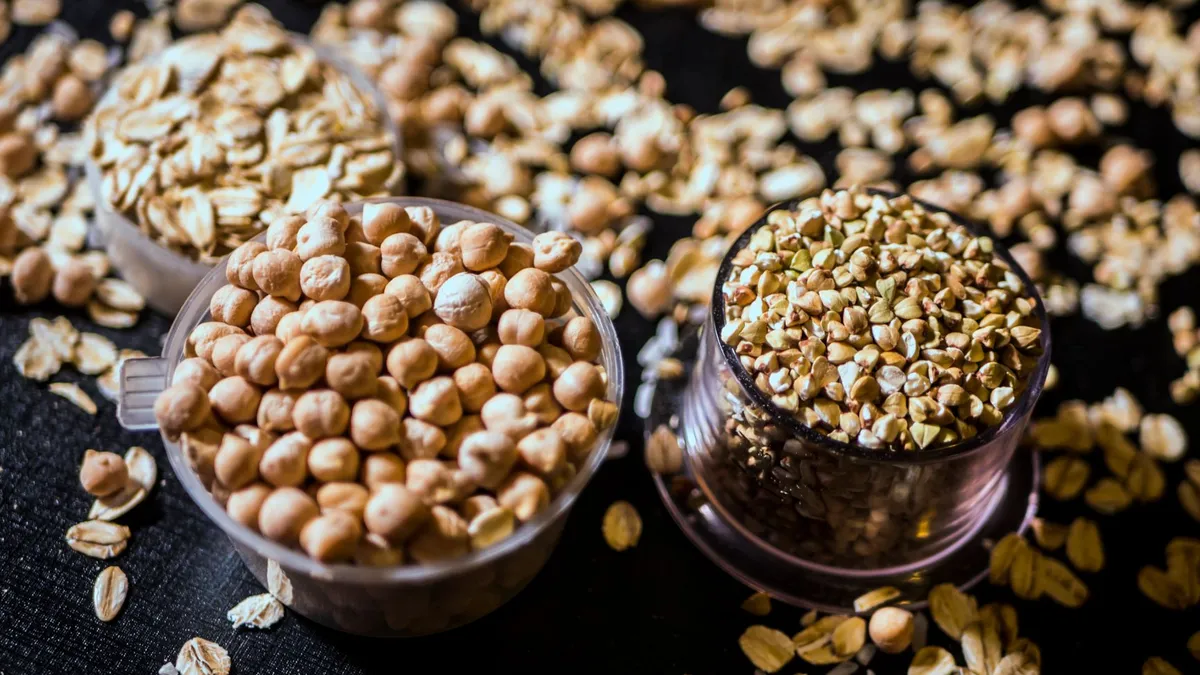
Why You're Always Hungry (And How to Actually Fix It)
Always hungry? The usual causes are low protein, poor sleep and under-eating. Here's how to feel full on fewer calories.

You ate lunch two hours ago and you’re already rummaging through the cupboard. Sound familiar? Constant hunger is one of the most common reasons people give up on eating well. It feels like a willpower problem, but it almost never is.
Hunger is a signal, and signals have causes. Once you understand what’s actually driving yours, you can eat in a way that keeps you satisfied for longer without white-knuckling it through the afternoon. Here’s what usually goes wrong, and what to do about each one.
First, rule out the obvious stuff
Before we get into food, a quick honesty check. A surprising amount of “hunger” is actually something else wearing a hunger costume.
- Thirst. Mild dehydration can sometimes be mistaken for hunger or a craving. A glass of water and a short wait may settle a snack attack, and it’s a low-risk thing to try.
- Boredom and stress. The fridge is a very convenient thing to do when you’re avoiding an email. This is real, and it’s worth naming when it happens.
- Poor sleep. Research generally finds that after several short nights, the hormones that help regulate appetite can shift - ghrelin (which tends to increase appetite) rising and leptin (which signals fullness) falling - which may leave you hungrier and reaching for quicker, sweeter food. The effect varies from person to person, but the direction of the evidence is fairly consistent.
If you’ve slept five hours and skipped breakfast, your hunger is completely rational. Fix the basics first.

The big one: not enough protein
If there’s a single lever that changes how full you feel, it’s often protein. Gram for gram, research generally finds it’s the most satiating of the three macronutrients. It slows digestion, helps blunt the blood-sugar swings that can leave you crashing, and generally tells your brain the meal counted.
Many people who feel hungry all day are quietly under-eating it. A breakfast of toast and jam, a lunchtime sandwich, a handful of crisps in the afternoon - that can be a lot of calories and relatively little protein.
A commonly cited range for active people or those trying to lose fat is roughly 1.6 to 2.2 grams of protein per kilogram of body weight per day, though individual needs vary. For a 70 kg person, that’s somewhere around 110–150g a day. If you have kidney disease or another condition affecting protein needs, check with a professional before aiming high.
Practical wins that can help:
- Eggs, Greek yoghurt, or a protein-rich smoothie at breakfast instead of cereal.
- Adding a palm-sized portion of chicken, fish, tofu or beans to lunch.
- Keeping easy options around: tinned tuna, cottage cheese, edamame, a decent protein bar.
You don’t need to weigh everything or turn every meal into a bodybuilder plate. You just need to stop treating protein as an afterthought.
Fibre and volume: eat more, weigh less
The second lever is how much food you’re actually chewing. Fibre-rich, water-heavy foods take up space in your stomach and slow digestion, so you tend to feel full on fewer calories.
Compare two similar-calorie snacks: a small handful of dried fruit, or a big bowl of berries with plain yoghurt. Similar energy, quite different fullness. The second one is mostly water and fibre and takes longer to eat.
This is part of why very restrictive diets built on tiny portions of calorie-dense food can feel miserable, while plates built around vegetables, legumes, fruit and lean protein tend to leave you more satisfied at a similar calorie total. A reasonable rule of thumb: aim for plenty of veg, a solid protein source, and some slower-digesting carbs like oats, potatoes or whole grains. (If you’re increasing fibre, do it gradually and drink enough water to avoid discomfort.)
Liquid calories don’t count (to your appetite)
Research suggests we tend to register calories from drinks less well than calories from solid food. A large flavoured latte, a smoothie, a couple of glasses of wine, or fruit juice can add a lot of calories without doing much to reduce hunger. You may feel much the same afterwards as before.
You don’t have to ban them. Just know they’re a common blind spot. If you’re eating carefully and still hungry and not losing weight, it’s worth looking at what’s in your glass before you blame your willpower.
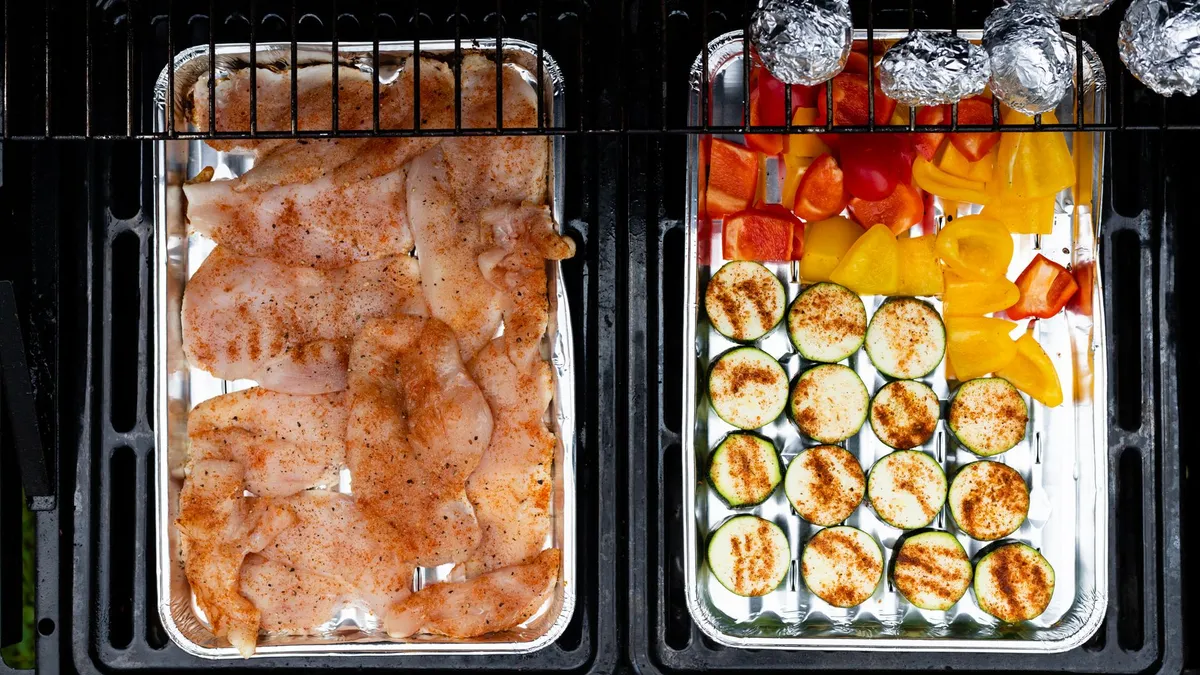
The sneaky one: you’re actually under-eating
Here’s the twist. Overly aggressive dieting can make hunger worse. Cut your intake too hard and your body tends to respond with stronger hunger signals, lower energy and a stronger pull toward exactly the foods you’re trying to avoid. Then you overshoot, feel guilty, and cut harder the next day. Round and round it goes.
A gentler deficit - the kind that has you losing weight slowly rather than dramatically - is generally easier to stick to and tends to leave you less ravenous. Slower usually wins. This is where tracking can help some people: not to obsess, but to check whether you’re eating a sensible amount or accidentally under-fuelling in a way that sets up a binge. (If tracking food triggers anxiety or a history of disordered eating, skip it and work with a professional instead.)
A simple order of operations
If you’re hungry all the time, it’s reasonable to work through this list before doing anything drastic:
- Sleep and water first.
- Add protein to every meal.
- Bulk meals up with veg and fibre.
- Check your liquid calories.
- Make sure your deficit is realistic, not brutal.
Often the answer is somewhere in there - and none of it requires being hungry as a lifestyle.
This article is general information, not medical advice. If your appetite has changed suddenly or dramatically, or you have a condition like diabetes, kidney disease, or a history of disordered eating, it’s worth a chat with your GP or a registered dietitian.
Sources
- Short Sleep Duration Is Associated with Reduced Leptin, Elevated Ghrelin, and Increased BMI - PLoS Medicine (NIH/PMC)
- A high-protein diet for reducing body fat: mechanisms and possible caveats - Nutrition & Metabolism (NIH/PMC)
- Soluble dietary fibre, energy intake and satiety: systematic review & meta-analysis - Foods (NIH/PMC)
Track calories the calm way.
AI photo scanning, clean calorie and macro rings, and gentle habits that actually last.