
Sugar Cravings: Why They Hit and How to Beat Them
Sugar cravings explained: the real reasons you crave sweets after meals and at 3pm, plus practical, evidence-based ways to cut them down.
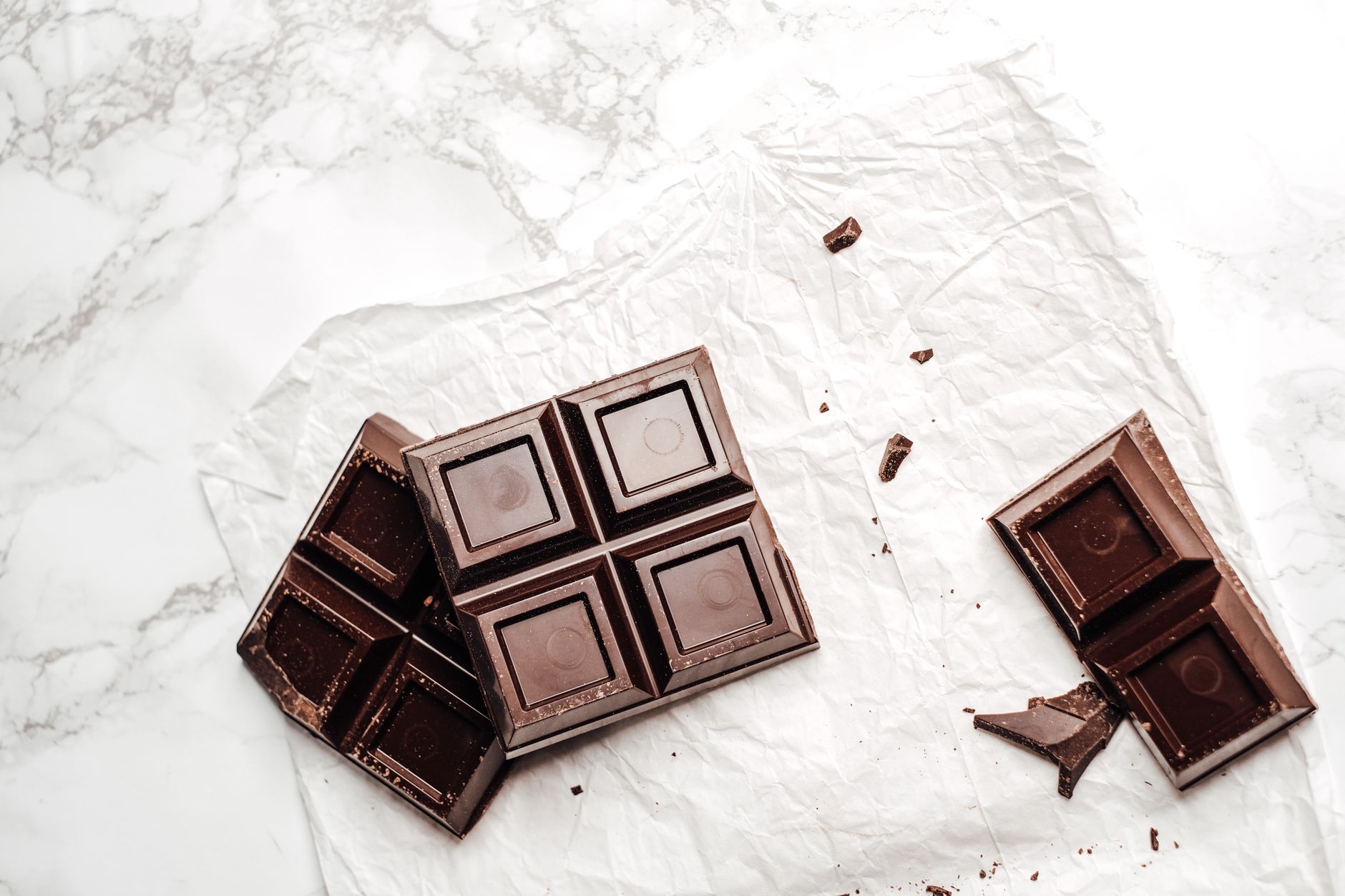
The 3pm slump hits and suddenly the biscuit tin is calling your name. Or you finish a perfectly good dinner and still feel like something sweet is missing. If that sounds familiar, you’re not weak-willed and you’re not broken. Sugar cravings are one of the most normal, most human things going, and there are real reasons behind them.
The good news: once you understand what’s actually driving the urge, you can take most of the sting out of it without swearing off sugar forever. Here’s what’s going on and what genuinely helps.
Why you crave sugar in the first place
Cravings rarely come from nowhere. Usually a few things are stacking up at once.
- Blood sugar swings. Eat a low-protein, refined-carb meal (think white toast and jam, or a big bowl of pasta on its own) and your blood sugar tends to climb quickly, then fall. That dip can be a trigger to reach for something sweet to bring energy back up quickly.
- You’re underfed. Skipping meals or eating too little across the day can leave your body hunting for the fastest available fuel, and sugar fits that bill.
- Poor sleep. After a short night, appetite-related hormones can shift and the brain’s reward response to sweet, high-calorie food may ramp up. Research generally finds people tend to crave more sugary, calorie-dense food after poor sleep than after a full night.
- Habit and emotion. A biscuit with your afternoon tea, a chocolate square while you watch telly, a sweet treat when you’re stressed. Your brain learns these loops fast, and the cue (kettle on, stress rising) can fire the craving before you’ve even decided anything.
A craving is information, not a command. It often means something is missing — food, sleep, or a moment of calm — rather than a personal failing.
Sugar isn’t the enemy, but the pattern matters
Let’s be clear: there’s nothing wrong with enjoying sweet things. The issue is quantity and pattern. Many of us eat more added sugar than we realise, often through drinks, sauces, breakfast cereals and snacks rather than the obvious desserts.
The NHS recommends adults have no more than about 30g of free sugars a day — roughly seven sugar cubes. A single can of regular cola can contain around this amount on its own. The World Health Organization suggests keeping free sugars under 10% of your daily energy intake, and notes that reducing to below 5% may bring additional benefit. You don’t need to memorise these, but they show how easily it adds up.
This is where paying attention earns its keep. When you actually note down a few days of eating, the pattern often jumps out: it’s frequently not the pudding, it’s the coffees with syrup, the “healthy” granola, and the evening grazing.
What actually helps reduce cravings
1. Build meals around protein and fibre
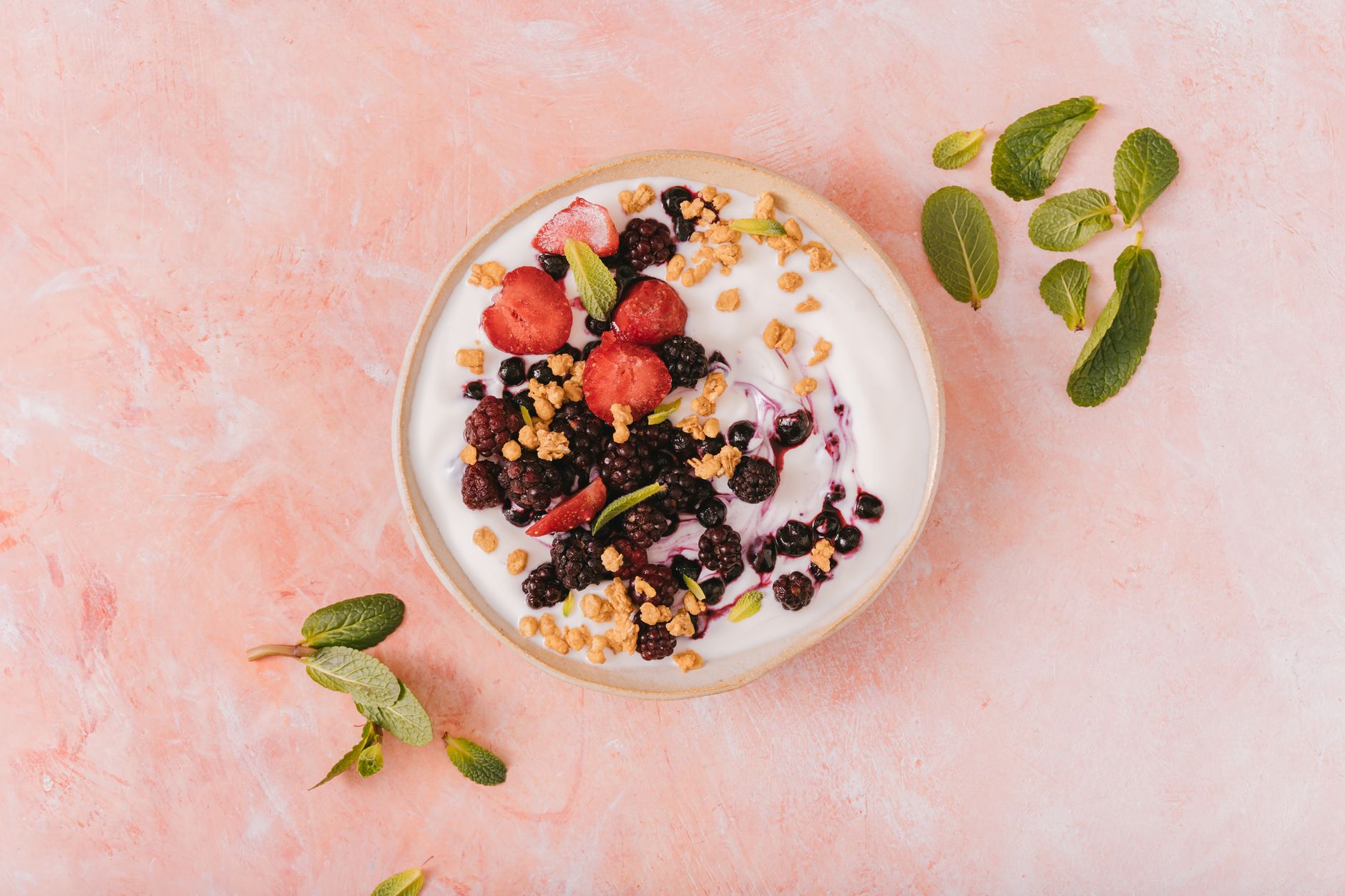
This is one of the biggest levers. Protein and fibre slow digestion, blunt the blood-sugar spike, and tend to keep you full for longer. A breakfast of eggs and wholegrain toast, or Greek yoghurt with berries and nuts, will often carry you to lunch far better than a pastry that leaves you rummaging for snacks by 11.
Aim for a protein source and some fibre (vegetables, fruit, wholegrains, beans) at every main meal.
2. Don’t arrive at meals starving
If you’re ravenous, willpower rarely wins. Eating regularly enough to avoid the desperate, shaky-hungry state tends to keep cravings quieter and portions more sensible.
3. Pair your sweet thing, don’t ban it
Banning sugar outright often backfires — the craving can grow louder. Instead, try having the sweet thing alongside a meal or a bit of protein. A couple of squares of dark chocolate after lunch tends to land differently than the same chocolate on an empty stomach at 4pm.
4. Check your sleep and stress
It’s hard to out-diet a run of bad nights. Protecting sleep, even by 30 minutes, can do as much for cravings as any food swap. When stress is the trigger, a five-minute walk or a cup of tea can help break the loop that would otherwise end in the snack drawer.
5. Watch the liquid sugar
Sugary drinks, fancy coffees and fruit juices deliver sugar fast and don’t fill you up much. Swapping to water, sparkling water, or unsweetened tea and coffee is one of the easiest wins there is.
A simple 3pm rescue plan
When the afternoon craving lands, try this order before you decide:
- Drink a large glass of water and wait a few minutes — thirst can be mistaken for hunger.
- Ask whether you actually ate enough at lunch. If not, have a proper snack with protein: yoghurt, cheese and an apple, or a handful of nuts.
- If you still want the sweet thing, have it — mindfully, portioned onto a plate, not eaten absent-mindedly from the packet.
Over a couple of weeks, this can take the panic out of cravings. They often get smaller and easier to ride out, and the odd biscuit stops feeling like a slip-up.
The takeaway
Sugar cravings are often driven by real, fixable things: unstable blood sugar, under-eating, poor sleep and well-worn habits. Work on the foundations — protein, fibre, regular meals, decent sleep — and the cravings often quieten down on their own. You don’t need iron discipline. You need meals that actually keep you full and a bit of awareness about your patterns.
This is general information, not medical advice. If cravings feel out of control or you’re worried about your relationship with food, speak to a GP or a registered dietitian.
Sources
- Sugar: the facts — NHS
- Reducing free sugars intake in adults and children — World Health Organization
- Added sugar in the diet — Harvard T.H. Chan School of Public Health
Track calories the calm way.
AI photo scanning, clean calorie and macro rings, and gentle habits that actually last.