
Meal Prep for Weight Loss: A Beginner's Sunday Plan
Meal prep for weight loss made simple: a beginner's Sunday plan, easy portioning, and batch recipes that keep calories in check all week.
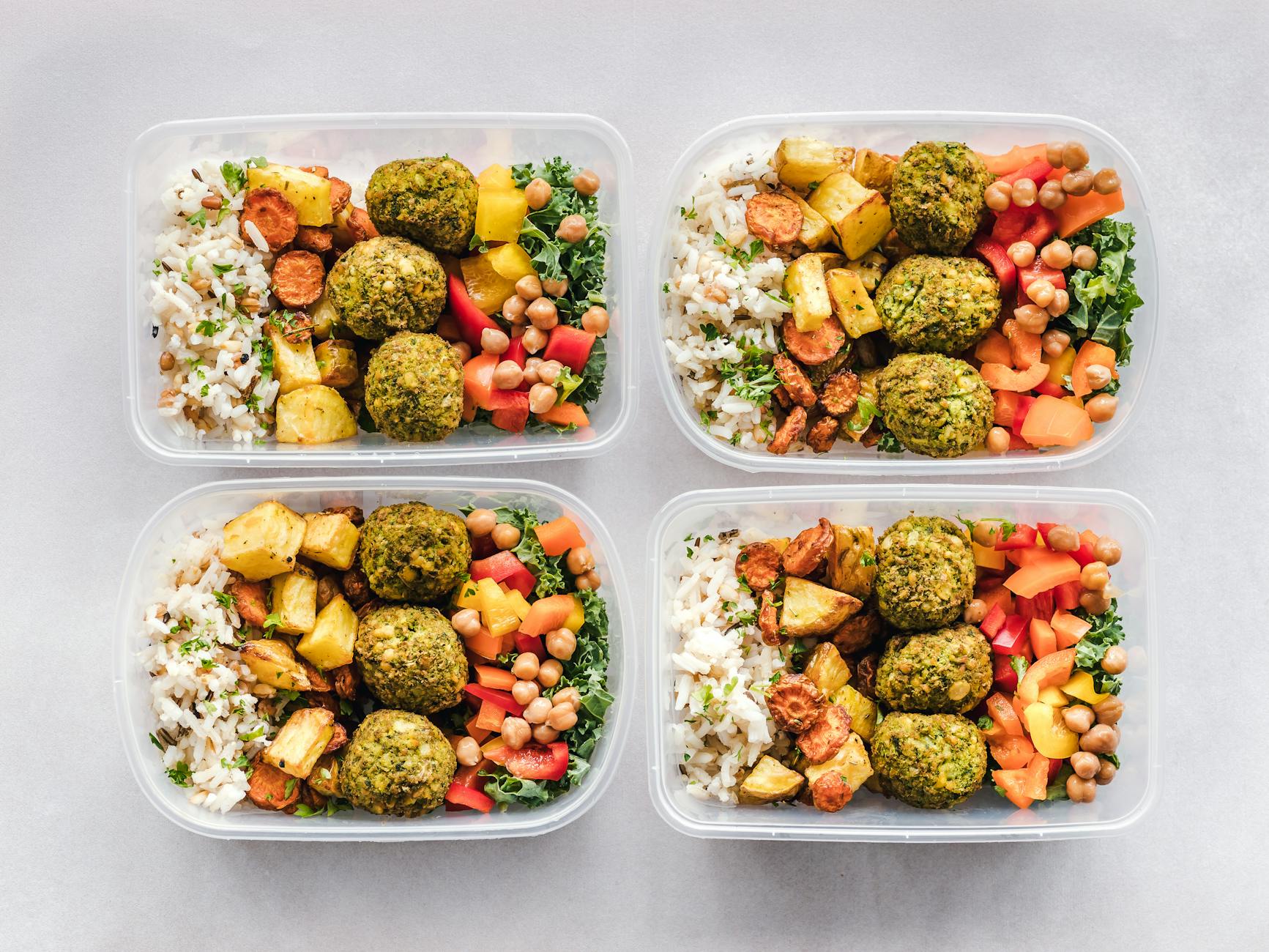
Most diets don’t fail on Monday morning. They fail at 6:47pm on a Wednesday, when you’re tired, starving, and the only options are a takeaway menu or whatever’s easiest. Meal prep quietly removes that moment of weakness. When lunch is already cooked and portioned in the fridge, the “what do I eat?” question never gets a chance to sabotage you.
You don’t need 15 identical containers or a fridge that looks like a supermarket photo shoot. A good beginner prep takes about 90 minutes on a Sunday and sets up three or four meals you’ll actually want to eat. Here’s how to do it without turning your kitchen into a chore.
Why prep helps you lose weight
The mechanism is boring and effective: prepping shrinks the number of food decisions you make when willpower is low. Every decision is a chance to overshoot your calories, and research generally finds that people who cook and eat at home more often tend to consume fewer calories overall than those who rely heavily on takeaway or restaurant food.
There’s a second benefit that people underrate. When you cook the food yourself, you know roughly what’s in it. A shop-bought pasta salad can hide a fair amount of extra calories in oil and dressing that you might not add at home. Prep gives you back that control.
You’re not aiming for perfection. You’re aiming to make the easy choice and the healthy choice the same choice.

The 90-minute Sunday plan
Pick one protein, one starch, and a big batch of vegetables. That’s the whole framework. Everything else is variation.
- Get water boiling and the oven on (around 200°C) first. Heat is the bottleneck, so start it before you chop anything.
- Roast a tray of vegetables. Peppers, courgette, red onion, broccoli — toss in a tablespoon of olive oil, spread on a tray, 20–25 minutes.
- Cook a big pot of a starch. Rice, potatoes, or wholewheat pasta. Aim for 4 portions.
- Batch-cook one protein. Chicken thighs, a tray of salmon, spiced mince, or a pan of chickpeas and lentils if you’re plant-based. Check that meat, poultry and fish are cooked through.
- Make one sauce or dressing that ties it together — a yoghurt-lemon-garlic mix, or soy-ginger, keeps things from tasting like sad diet food.
- Portion into containers, cool quickly, and refrigerate within a couple of hours. Don’t leave cooked food sitting out at room temperature for long.
Assemble each container as roughly half vegetables, a quarter protein, a quarter starch. It’s the plate method, just done in advance.
Portioning so the calories actually add up
Prep only works for weight loss if the portions are honest. This is where most people quietly undo their effort — the “healthy” bowl that’s actually two servings.
A few rough reference points that need no scale:
- Protein: a portion of cooked meat or fish is roughly the size of your palm (in the region of 100–150g).
- Starch: cooked rice or pasta is about a cupped handful, or a fist-sized mound.
- Fats: oils and nut butters count fast — a thumb-sized amount of oil goes a long way.
- Vegetables: two fists or more. This is the one thing you barely need to measure.
These are handy visual estimates rather than precise measurements; your own needs will vary with body size, activity level and goals. If you want the numbers to be more exact than eyeballed, you can log a container in a tracking app once — then every identical prepped meal that week is a quick copy. That’s a genuine time-saver with prep: log once and reuse.
Recipes that reheat well (and ones that don’t)
Some foods are made for the fridge. Others turn to mush by Tuesday. A quick sorting:
Reheats brilliantly
- Chilli, curry, and stews (often better on day two)
- Roasted root veg and chicken thighs
- Grain bowls with the dressing kept separate
- Frittata and egg muffins (good cold, too)
Prep, but assemble fresh
- Leafy salads — store leaves undressed, add on the day
- Anything crispy or breaded, which goes soft
- Avocado, which browns fast
A simple starting menu: spiced chicken with roasted peppers and rice for three lunches, plus a batch of egg muffins for grab-and-go breakfasts. That’s two recipes covering five meals.
Storage and food safety basics
Cool cooked food quickly and refrigerate within a couple of hours (some guidance suggests within one to two hours). As a general rule, most prepped meals keep for around 3–4 days in the fridge; anything you won’t eat by then is better off frozen. Reheat until piping hot all the way through, and as a rule of thumb only reheat a portion once. The NHS has clear guidance on safe cooling, freezing and reheating if you want the detail — worth following closely for higher-risk foods like rice, which should be cooled quickly and not left standing.

Making it stick
The best prep routine is the one you’ll repeat, so keep the ambition low at first. Prep three lunches, not 21 meals. Rotate two or three proteins so you don’t burn out on the same chicken bowl by Thursday. And build in one “off” meal you look forward to — dinner out on Friday, say — so the plan feels like freedom rather than a cage.
Give it three or four weeks before you judge it. The first Sunday feels like effort; by the third, it’s often just part of the routine, and the midweek panic dinners tend to fade.
This is general information, not personalised medical or dietary advice. If you have a health condition or specific nutritional needs, check with a GP or registered dietitian.
Sources
- Eating a balanced diet — NHS
- Healthy Eating Plate — Harvard T.H. Chan School of Public Health
Track calories the calm way.
AI photo scanning, clean calorie and macro rings, and gentle habits that actually last.